

The Salvation Army Social Housing Centre in Rome is a place of recovery, hope and restoration for people experiencing poverty and isolation. Exploring another side of the Eternal City, Berni Georges gives a personal account of his visit to the Virgilio Paglieri Centre – in words and photography.
Behind Rome’s spectacular façades lies another city, one where people experience homelessness, poverty and exclusion. A visit to The Salvation Army’s Centro Virgilio Paglieri reveals a place where practical support begins with something deceptively simple: treating people as guests.
Rome can be overwhelming. I first came to the city with the eyes of an excited art student and romantic; perhaps I still see it that way. Everywhere you turn there is another layer of history, another expression of what human beings have been capable of creating.
Ancient Rome demonstrated its power through forums, temples, arches and extraordinary feats of engineering. Centuries later, Christianity and the papacy helped reshape the city, before Renaissance artists and architects transformed it once again. Michelangelo, Raphael and countless others left their mark here. For generations, Rome was an essential stop on the ‘Grand Tour’, the journey once taken by wealthy young Europeans as an education in art, architecture and antiquity. Today, millions of us continue to make our own versions of that adventure, our own voyage of discovery.

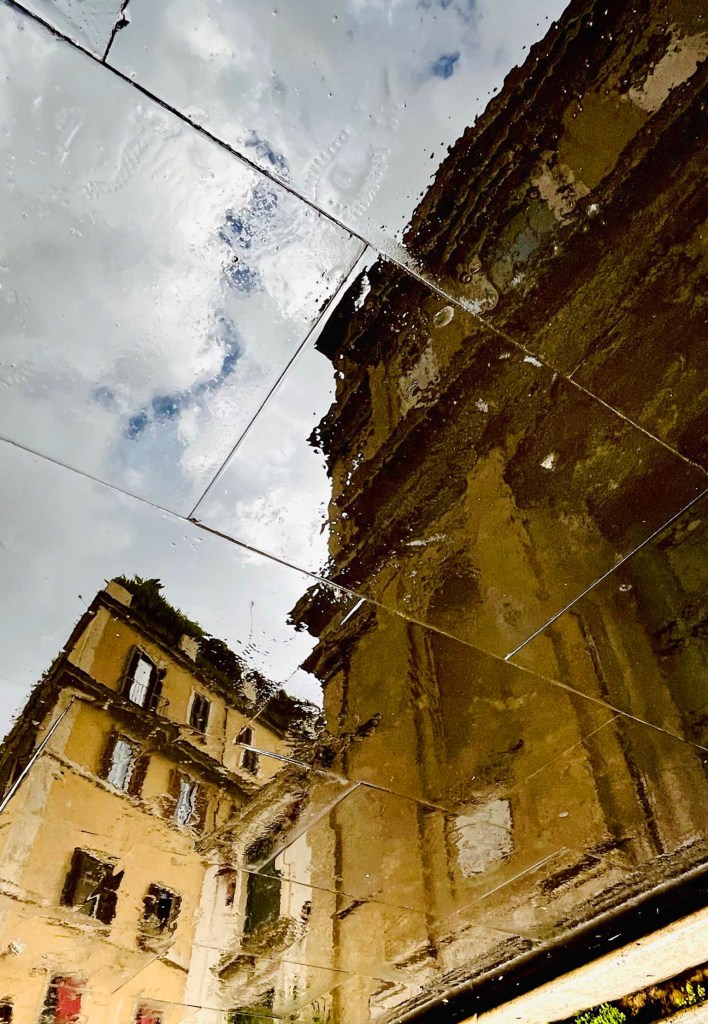

Connection
My own connection to Rome has always been primarily visual. I studied art; I respond instinctively to colour, form, architecture and images. My father would have approached it differently. He was a Latin teacher, a linguist in academia and he worked as a translator for international organisations. While I found my way into the ancient world through what I could see, his route was through words and language. Though he died some years ago, during my time in Rome I became unexpectedly conscious of the connection with him despite our different perspectives. Walking among fragments of the world whose language he had spent so much of his life teaching, I felt, in some small way, closer to him.
Move away from the monuments and tourist routes and there are people experiencing economic hardship, homelessness and isolation; people whose lives rarely feature in the romantic image of the Eternal City.
There is the grand scale of Rome: the Colosseum, the Vatican, the great churches, fountains and piazzas. There is colour and movement everywhere. There is the musical rhythm of Italian spoken all around you, the food, the coffee, the gelato – it feels as though the whole city is bursting with life. These were among the sensations that struck me most strongly: the richness of its art and history, but also its noise, energy and colour. It is exciting, beautiful and almost impossibly rich in culture.
But, like every great city, Rome contains another story too. Move away from the monuments and tourist routes and there are people experiencing economic hardship, homelessness and isolation; people whose lives rarely feature in the romantic image of the Eternal City. And it was this Rome that I experienced at the Virgilio Paglieri Centre. A different face of the city.


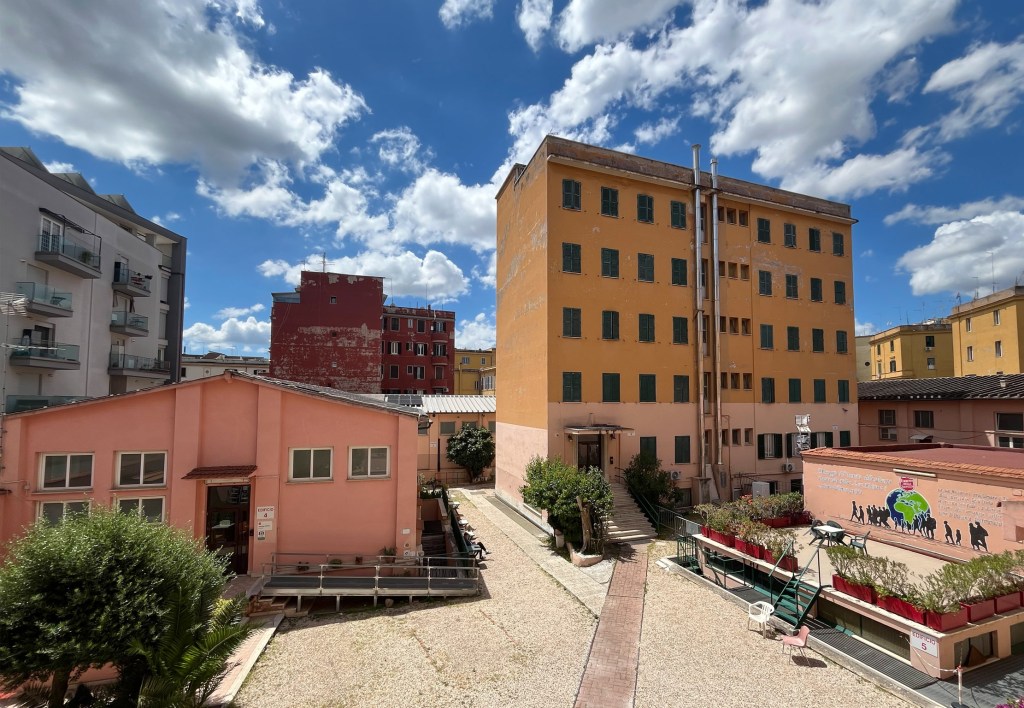
Views of the Virgilio Paglieri Social housing Centre
This social housing centre is in San Lorenzo, and my first impressions of the neighbourhood came before I properly understood where I was. On my first evening, I stepped outside to find the streets utterly alive with groups of young people and I wondered what on earth was going on. Only later did I discover that directly opposite the centre is Sapienza University of Rome, a vast centre of teaching and research spanning the sciences and humanities. Suddenly, the atmosphere of the neighbourhood made sense.
San Lorenzo feels youthful and inquisitive. The streets around the centre are animated by students and conversation, but they are also covered in another kind of expression. Graffiti and street art are splashed across almost every available stretch of wall – lettering, images, colour and styles layered over one another. For somebody who experiences a city visually, it is impossible to miss. And it made another fascinating aspect of Virgilio Paglieri Centre seem entirely appropriate: its own walls are filled with art.


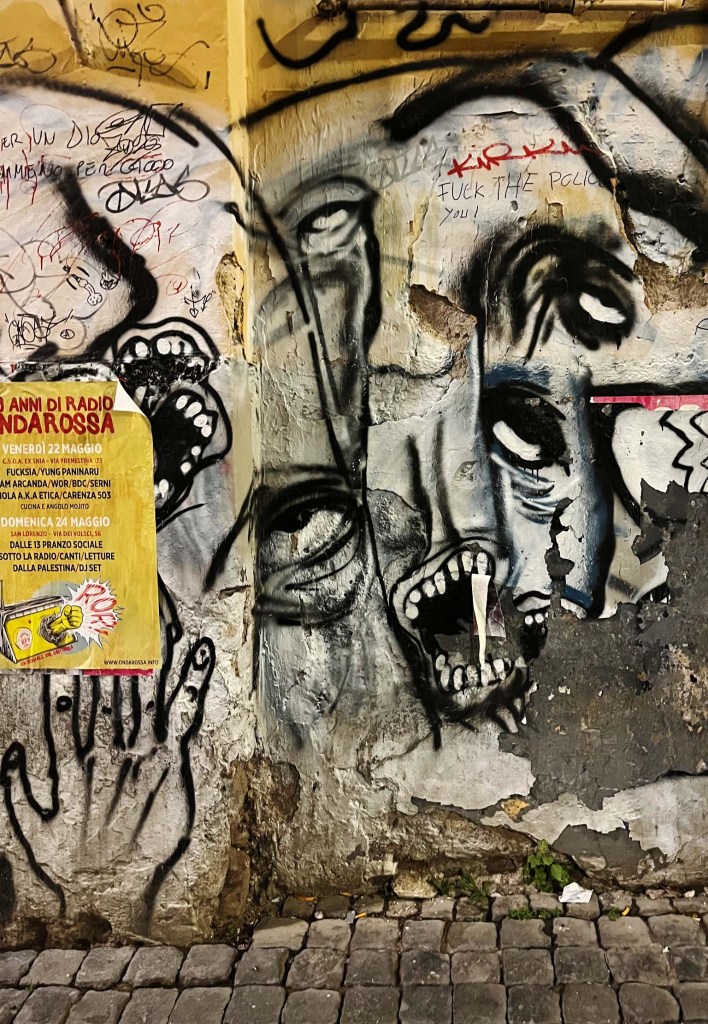
Graffiti and street art on the buildings of San Lorenzo
As I explored the buildings of the centre, I found myself transfixed by some of that art created by past residents, especially the portrait paintings. One that particularly struck me was of a young woman; the reflective, questioning expression on her face caught my attention. As I looked into her eyes I wondered where had she came from; what were the circumstances and hardships that brought her here? What were her hopes and dreams for her future?
The centre does not sit apart from its surroundings. In some ways, it seems to absorb something of them: the colour, the creativity, the questioning and the possibility. With a university on one side and the restless visual language of street art all around, there is something hopeful about finding within here a place concerned with another sort of learning: people trying to discover what their next stage of life might be.
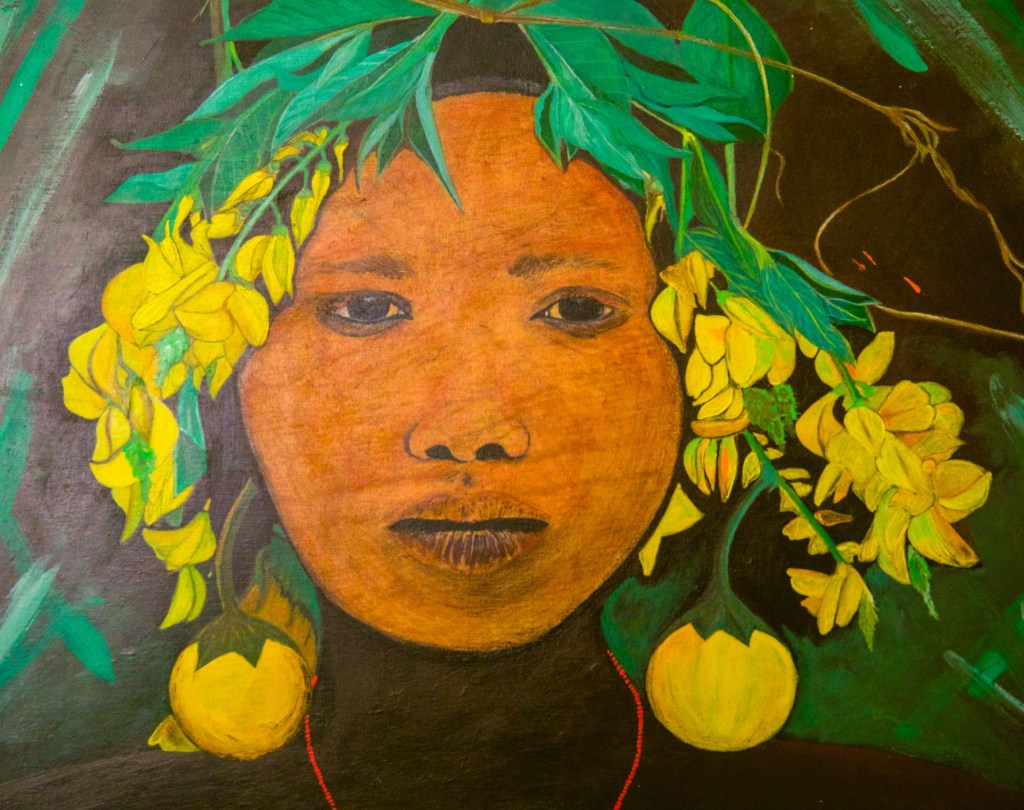

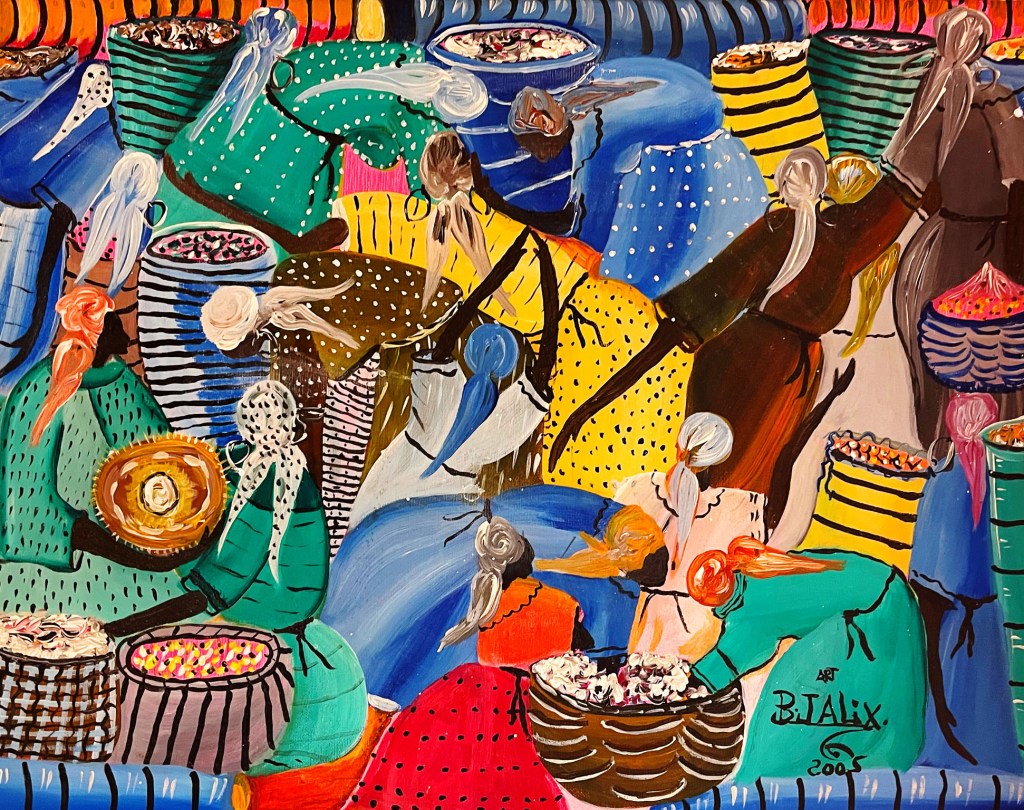

Some of the art pieces created by past residents displayed on the walls of the centre.
The Virgilio Paglieri Centre is one of The Salvation Army’s principal social inclusion centres in Italy. Working in partnership with the Social Services Department of the Municipality of Rome, it provides temporary accommodation and personalised support to people experiencing homelessness, social exclusion and economic hardship. Some residents are also living with mental health difficulties; others may be victims of violence, migrants, political refugees or people serving periods of house arrest.
People staying at the centre are referred to as guests. Not clients. Not cases. Guests … A guest is somebody you welcome. Somebody whose presence matters. Somebody to whom you extend hospitality, who you sit down with and get to know.
A place to be welcomed as a guest
The aim here is not simply to offer somebody a bed. A team here includes educators, social and healthcare workers. Social services staff work with each person to develop an individual programme, connecting them where necessary with healthcare, psychological support, legal advice, Italian-language learning, training, employment services and other forms of assistance. The ultimate aim is independence. But what struck me was the language used.
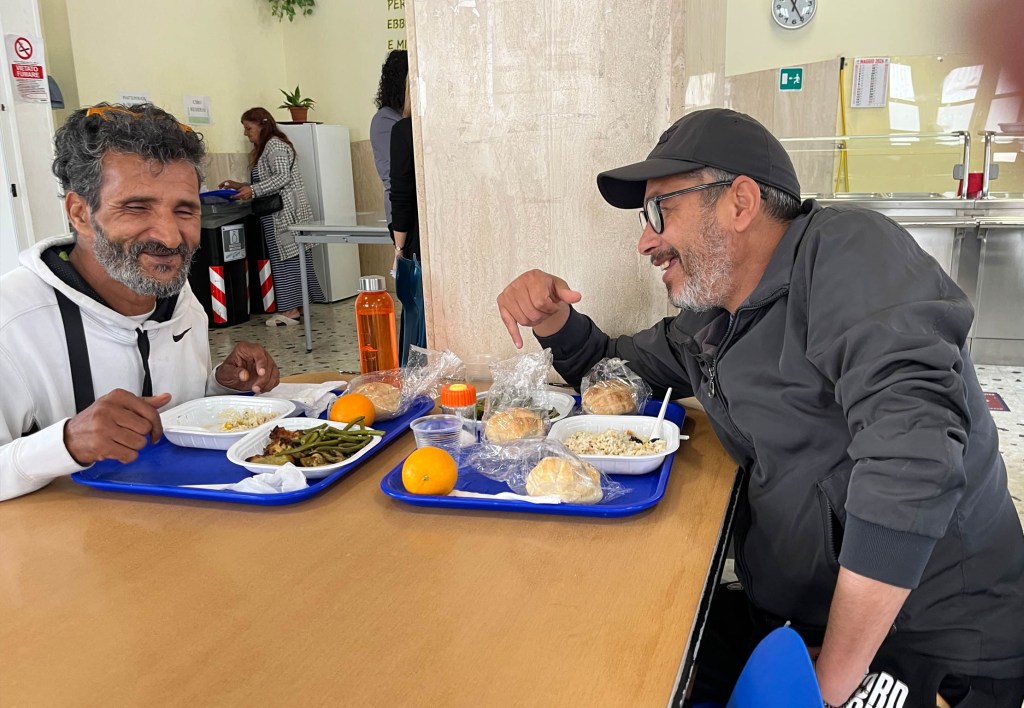
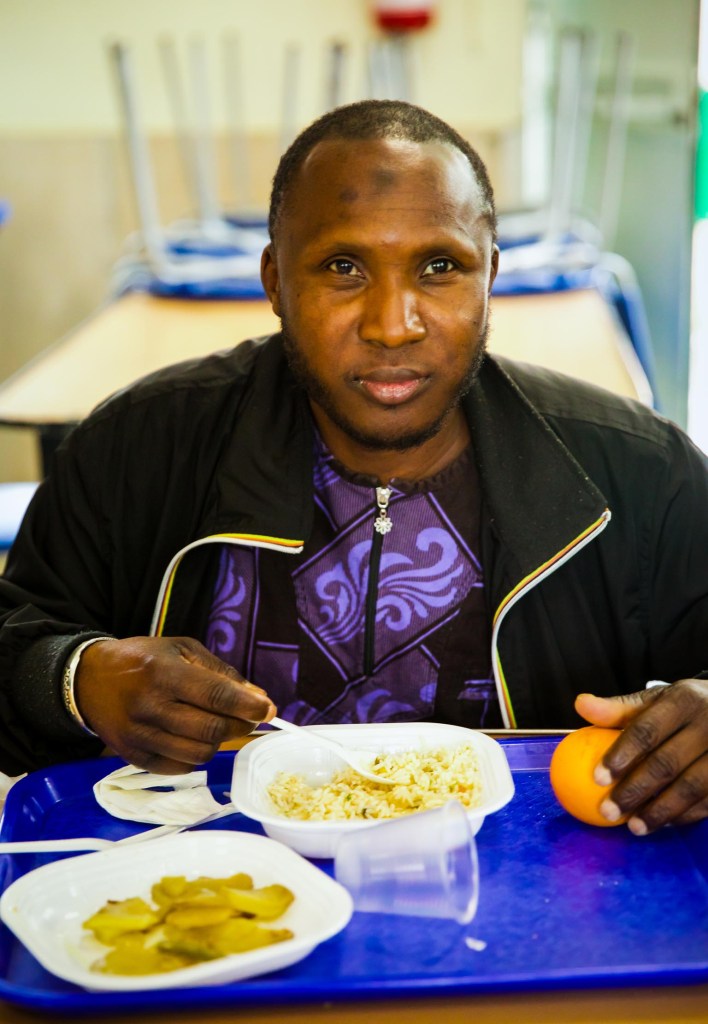

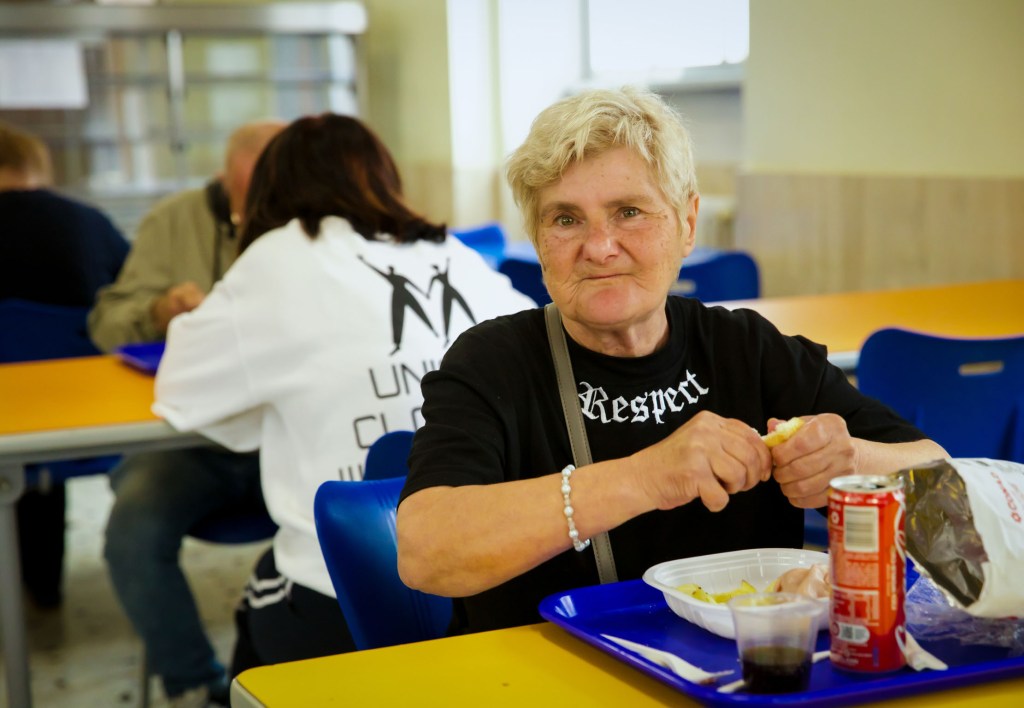

Three meals a day are provided for the guests, plus snack times.
Part of the centre is the Foresteria, or guest house, where I stayed during my visit. The word has its roots in the idea of the stranger or foreigner. It historically described a place in a monastery or large house where travellers could be received. That idea of hospitality seems to extend far beyond the guest house itself. People staying at the centre are referred to as guests. Not clients. Not cases. Guests. It may seem a small distinction, but language affects the way we see people. A guest is somebody you welcome. Somebody whose presence matters. Somebody to whom you extend hospitality, who you sit down with and get to know.
Domenico, a health worker at the centre, looks after medical needs, but alongside that he takes a close personal interest too. As he prepares boxes of medication for people, he tells me that sometimes even getting someone to have a morning wash can be a kind of victory. He describes how people who have experienced homelessness or economic struggle can lose their sense of hygiene, of looking after themselves, even their sense of self-worth. He feels that part of his role is to help restore those things in their lives.
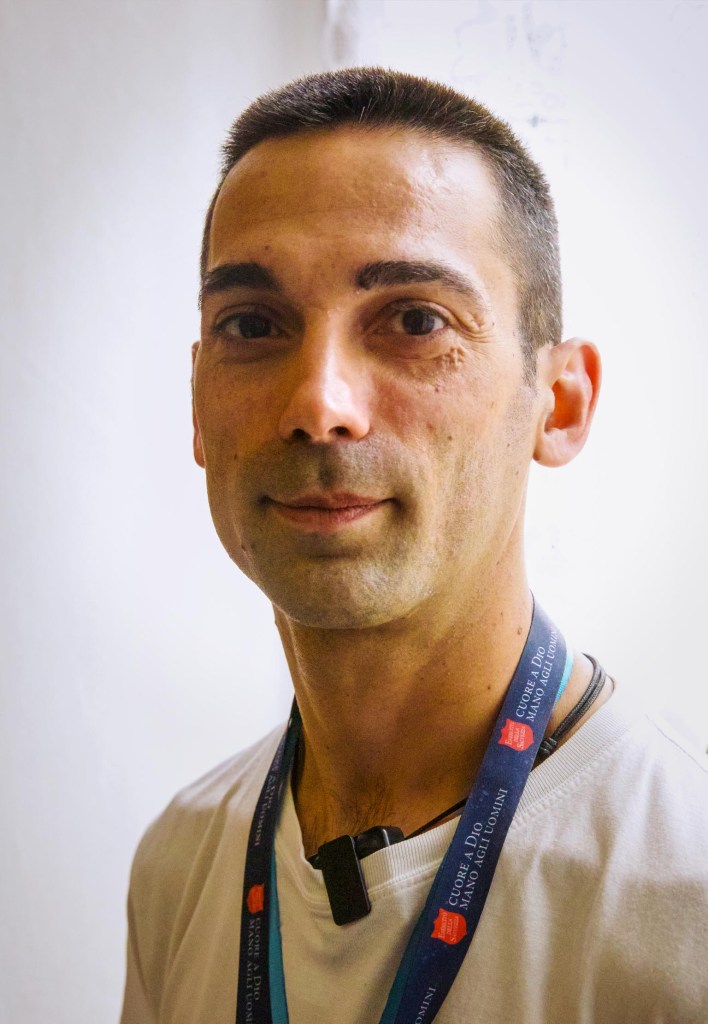

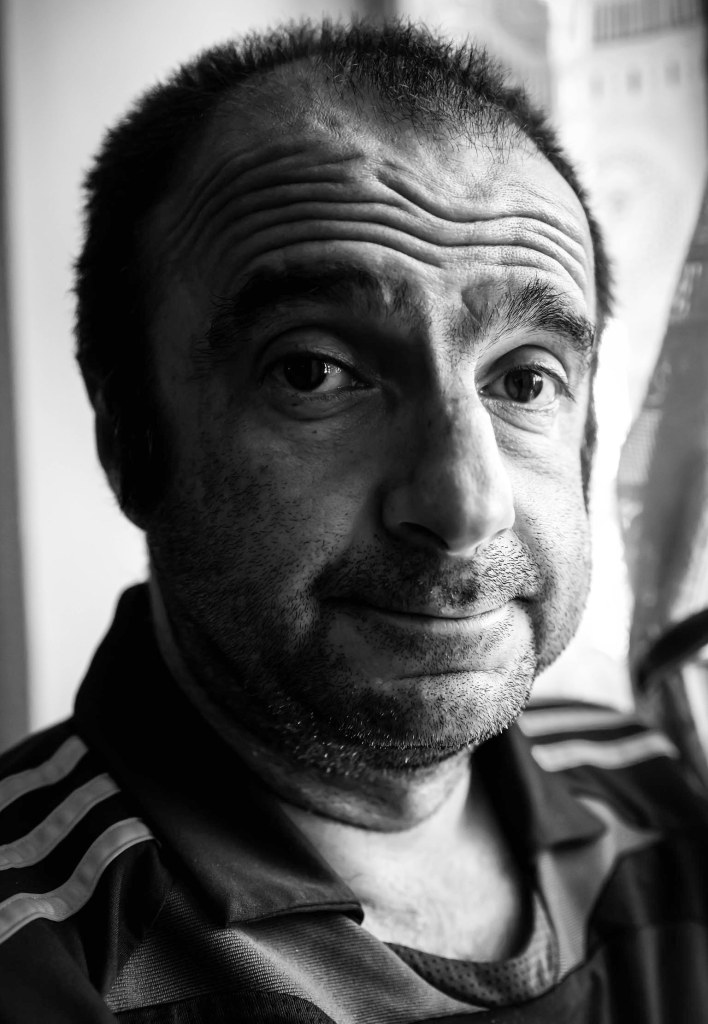
Clockwise from top left: Domenico, health worker at the centre; Karla, a guest who is originally from Peru: Michele, a guest serving time under house arrest.
One of the guests, Michele, describes how the staff here have treated him like family. He is currently under house arrest by the judiciary system, but he has found a real welcome here. While he serves his time, he has become involved in helping out at one of the social projects within the grounds. This is just part of how The Salvation Army has given him a sense of purpose. Another guest, Karla, originally from Peru, shows her sense of deep grief she experienced after her baby died and how she is being helped step by step towards emotional recovery.
And perhaps another useful word is ‘traveller’. The centre has previously welcomed refugees from countries including Côte d’Ivoire, Egypt, The Gambia and Niger. But journeys are not always geographical. Many of the people here are travelling through a difficult period in their lives. They are tired. Some need time to rest, recover or heal before taking the next step towards independence. The centre offers a stopping place on that journey but it does not seek to determine the destination.
Gaining back independence
Residents work towards their own goals. And for those ready to take another step, the centre also has a small co-housing scheme where people can begin living semi-independently before moving on completely. There is something quietly hopeful in that. Not rescue, imposed from above, but accompaniment and the freedom to choose.
I had a chance to speak to one of the guests there and they described how the centre has helped restore something they had lost: a sense of community and belonging. It has also given them a renewed hope for the future. When I met them again at a Bible study group, they spoke about how Christian faith gives them strength, purpose and direction. Through The Salvation Army church connected to the centre, they have a place to express and share that faith. Ultimately, they dream of moving on to independent living, while being part of a wider community where they can share their faith more fully. For now, the centre gives them the support and space to hold on to that dream and to believe that it can become reality.
Later in my stay I met Paola, who works as one of the full-time social workers. Previously she had a job working at Rome International Airport where she worked in customer services, helping and advising passengers. She first became involved at the centre working as a volunteer part time at L’Armadio Senza Chiavi or ‘Keyless wardrobe’. This is a social care project involved in re-cycling clothes, books and toys, serving those families in the neighbourhood struggling with poverty. As her involvement deepened, she felt personally moved to become a full-time social worker for The Salvation Army, giving up her job at the airport to devote her time to her new-found vocation. She points out that her previous role at the airport in getting alongside people, often in stressful situations, has helped her in her new role at the centre.
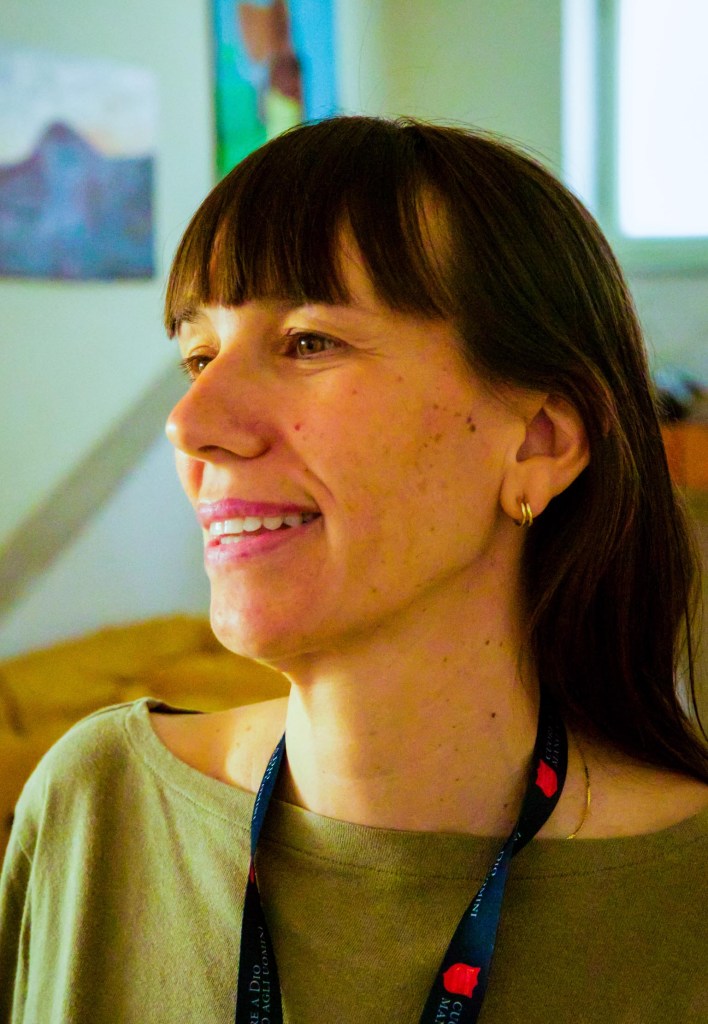

From left: Paola, social worker; Paola with Michele.
Paola states that this is far more than a place to eat and sleep, it’s a place where people are cared for and listened to in a warm, family environment. A place where birthdays are celebrated together and the usual annual festivities of Christmas and Easter. Along with the rest of the team, she faces the challenges of people coming from difficult life situations. But she finds it personally rewarding to help people reconnect with their own feelings and to take practical steps towards each of their personal goals, whether it’s full independence, finding employment, or finding a more permanent home.
I also met Natalia, another social worker with a background in psychology. I first met her at an art therapy session, where guests were encouraged to explore and express their experiences creatively and visually. She was working alongside Michela, an educator leading the session. Natalia described to me the journey a guest may take through the centre, from arrival to the point when they are ready to leave. A report comes through from the Social Operations Centre in Rome when someone is assigned to the centre as the second stage of their pathway, often arriving from another reception centre rather than directly from the streets.
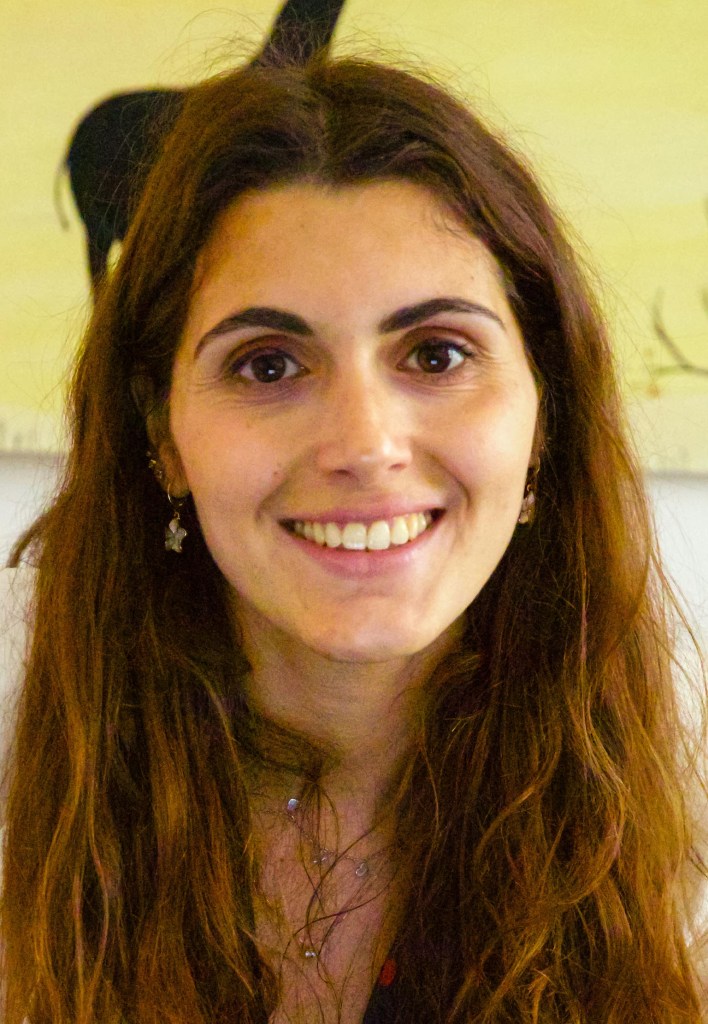
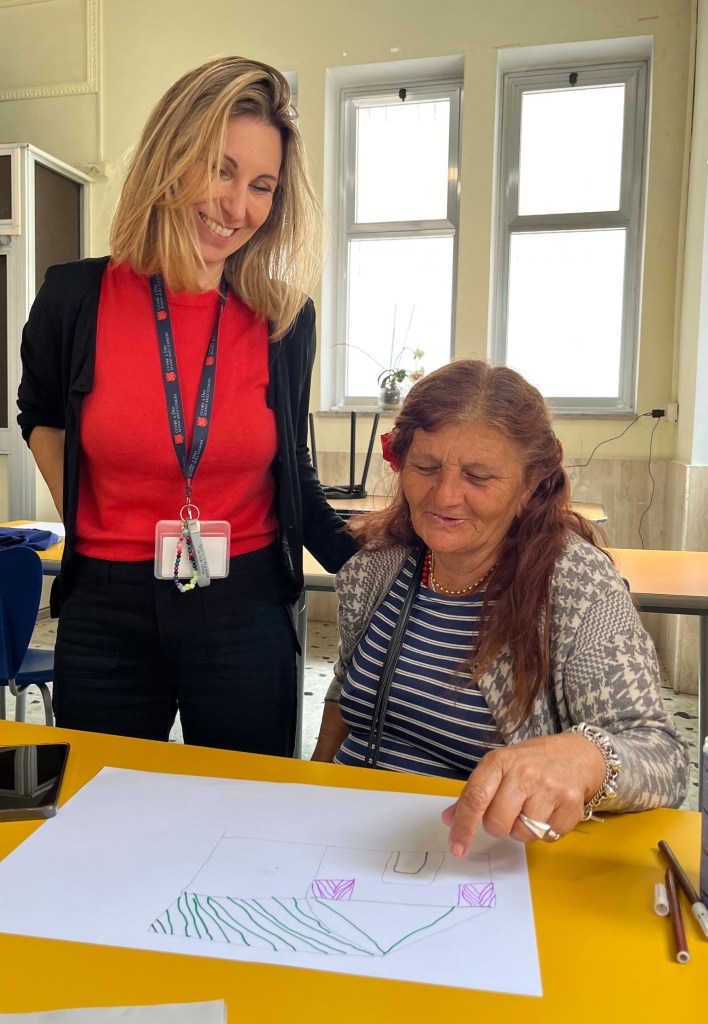

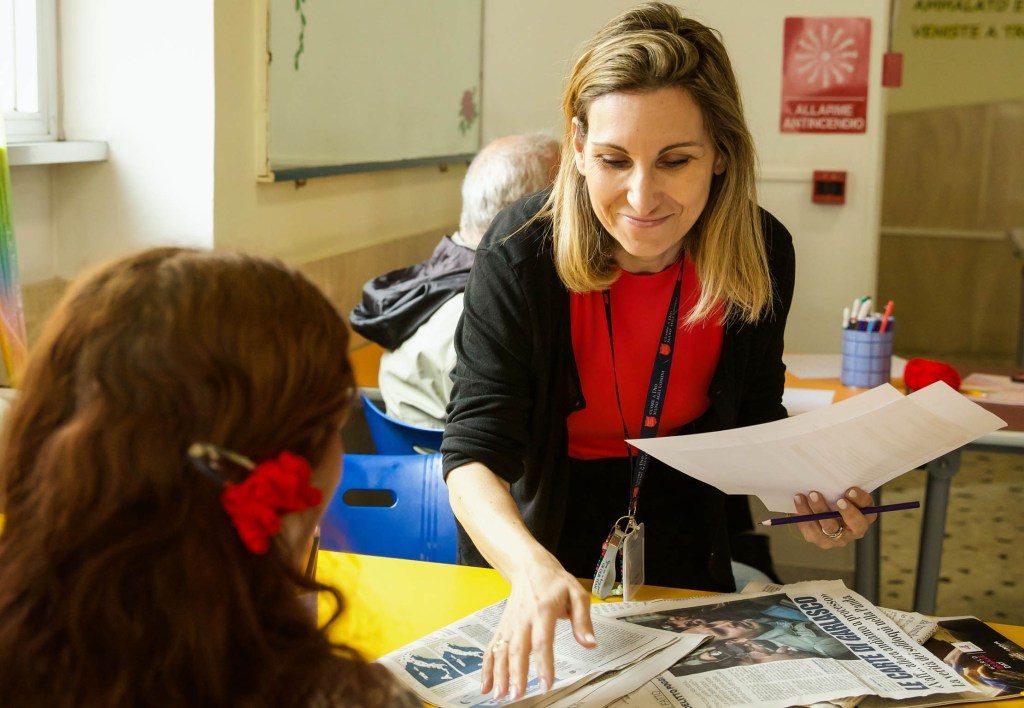
From top: Natalia, a social worker with a background in psychology; Michela, the centre’s educator, leading an art therapy session with the guests.
Here, The Salvation Army offers each guest a single room, a first step towards regaining independence and learning to care for themselves once more. Regular meals, social spaces and recreational activities provide a sense of stability, while the team helps with wider welfare needs and bureaucratic matters such as residence permits and identity cards.
As guests begin to settle, opportunities emerge for more personal connection: psychological support, healthcare, creative and educational activities, shared moments and the lighter, spontaneous exchanges of everyday life. Natalia says these informal moments are especially valuable. They allow trust to grow and help the team see beyond a person’s circumstances, gradually building a fuller understanding of who they are and what they need. She finds it very rewarding to see a person who may have lost all hope in life start to rebuild their confidence, see the light returning to their eyes and find a sense of purpose once more.
At the Virgilio Paglieri Centre, beyond the creativity displayed on the walls, I found a living, breathing community: a place of humility and friendship, where practical and emotional needs are met and where hope and dignity are restored.

Artwork created by female guests on International Women’s Day.
Beyond the walls of hopes and dreams
Natalia shows me the walls of her office, covered with paintings and artwork, many depicting the countries and cultures of former guests. She points to one collage in particular: a line drawing of a woman’s face surrounded by a multitude of colourful paper butterflies. I notice messages written across their wings. Natalia explains that the piece was created with a group of female guests on International Women’s Day, each writing about their greatest desire. The butterflies symbolise those hopes eventually flying beyond the centre, towards independent living and reunion with their families.
It is an encouraging image for the social team too: a simple exercise in imagining a future, followed by the hard work, determination and practical support needed to turn those dreams into reality. The artwork remains as a beautiful visual reminder of hopes that have, for some, already come to fruition.


Clockwise from top: Captains Valentina and Luigi; leading worship at Rome Corps (church); Luigi working in his office.
As I reflect on my visit, I feel deeply grateful for the welcome I received, particularly from my guide and translator, Captain Valentina Castaldo. She and her husband, Captain Luigi Capuano, are Salvation Army officers and together they lead communications for The Salvation Army in Italy and Greece. Both creative and hard-working, they carry the huge responsibility of raising awareness of the movement and its social work, fundraising, sharing information, campaigning and creating resources to help local corps (churches) become involved in social action and ministry.
In the second instalment of my account, I will explore the work of the recycling project, Keyless Wardrobe, which reaches local families in need. But for now, my time at the centre has opened my eyes to another Rome – a different, equally beautiful side of this great city. At the Virgilio Paglieri Centre, beyond the creativity displayed on the walls, I found a living, breathing community: a place of humility and friendship, where practical and emotional needs are met and where hope and dignity are restored. At its heart is an appreciation that every person has a dream, however difficult the circumstances from which they have come, and that is a crucial part of valuing someone’s human dignity.
For Michele, that dream may be reunion with his family after serving his time at the centre. For Karla, it may mean healing from the loss of her child and taking steps towards a career in the beauty industry. For others, it may be a home of their own, filled with the noise of family members gathered around a table laden with a home-cooked meal.
You must be logged in to post a comment.