
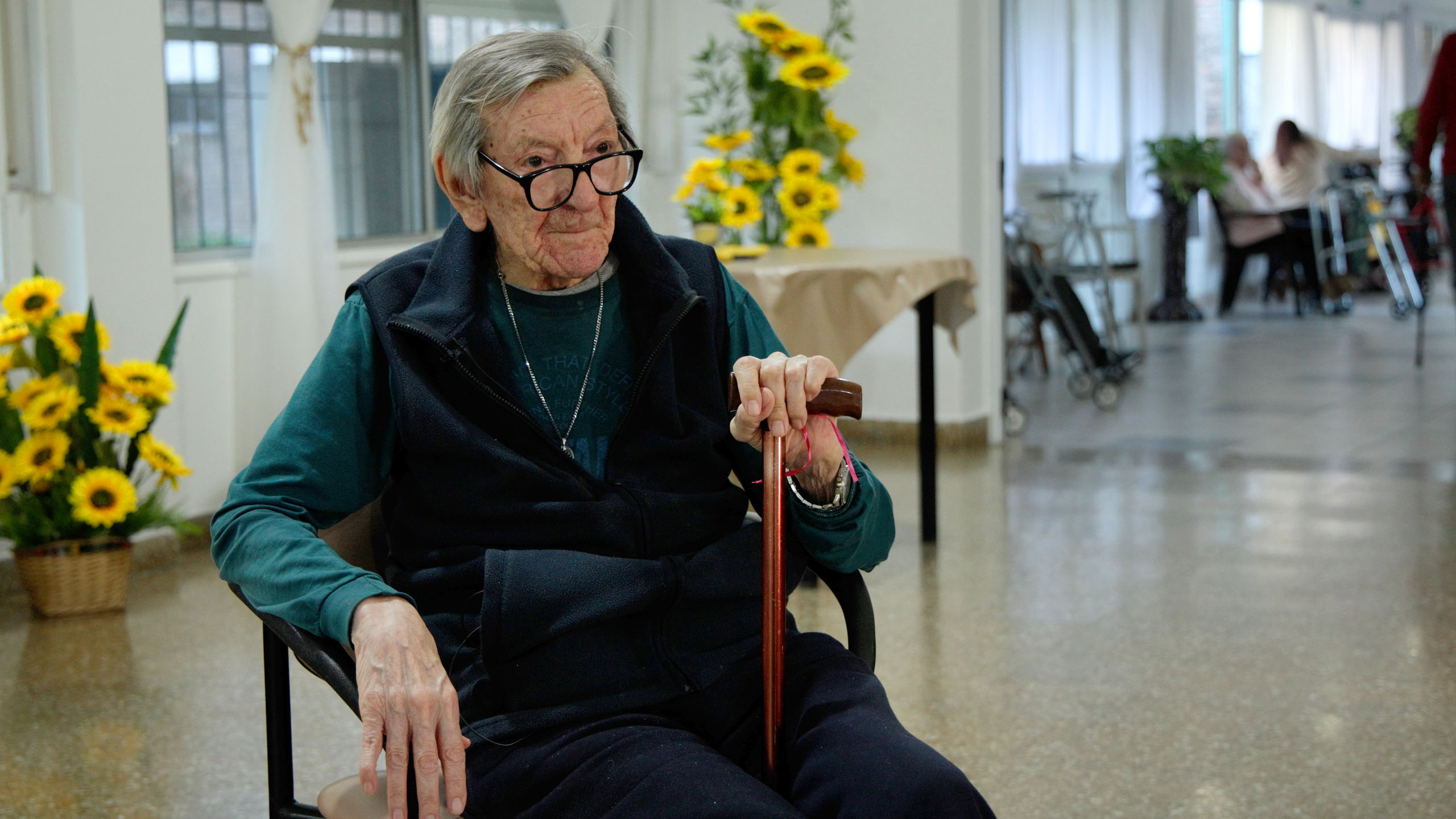
Finding home and community at Hogar Eliasen
To read this article in Spanish, please click on the link below:
The Salvation Army supports older people in communities around the world through a wide range of services designed to promote dignity, independence and connection. At the heart of this work is a commitment to seeing each person as an individual, ensuring older people are valued, listened to and able to participate fully in community life. At the Hogar Eliasen elderly care home in Buenos Aires, Argentina, growing older does not mean giving up independence, interests or a sense of belonging. Residents and staff describe a community where care is built around relationships, choice and the small things that make a place feel like home
For María Norma Hadad, it is the plants.
For Bernabé Pedro, it is French music playing on his computer, morning exercise and workshops that keep his mind active.
And for Vanessa Paniagua, one of the staff caring for residents at Hogar Eliasen, it is the moment somebody notices that she has returned.
‘My favourite part is when they recognise you,’ she says. ‘They call you and say, “Oh, you’re back! You’re back again.” Or when you tell them you won’t be coming in because you have a day off and they are sad. That is a very beautiful part of it.’
These seemingly ordinary moments reveal something important about life at Hogar Eliasen, The Salvation Army’s residential home for older people in Argentina. It is a place where professional care is combined with companionship, where residents are encouraged to retain their independence and where becoming part of a community can soften what is often a difficult transition in later life.

Asked what she likes about the home, however, her answer comes quickly. ‘Everything. The plants, my companions, the older people, the staff. The staff are magnificent.
‘I feel comfortable here’
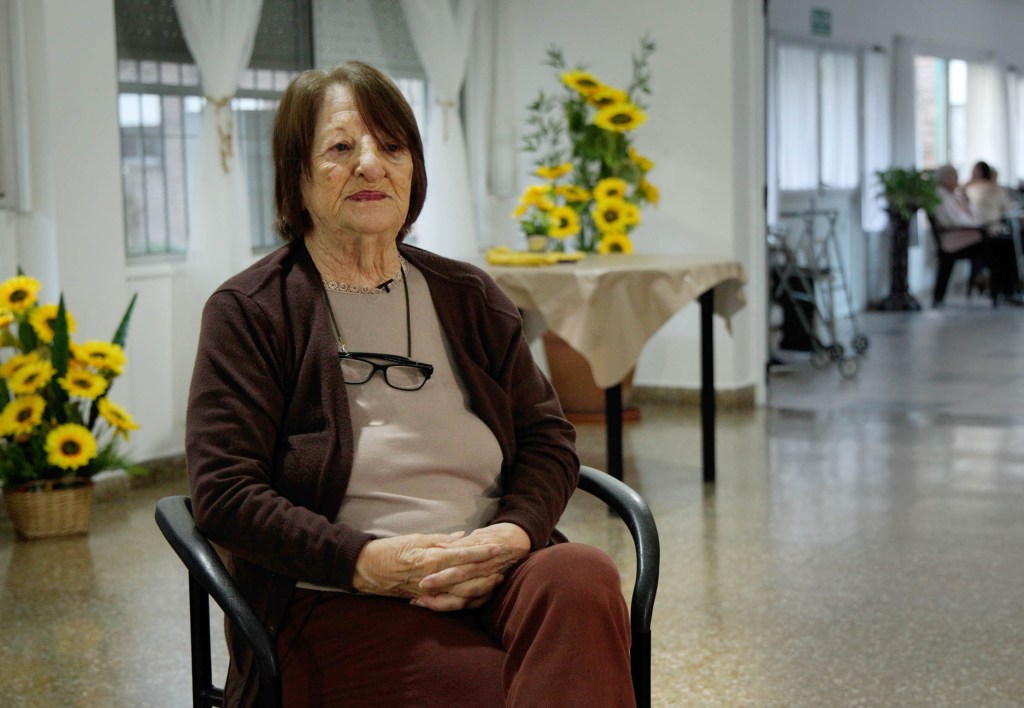
María Norma Hadad has lived at Hogar Eliasen for around a year. Before arriving, she had been living alone in her own home nearby. Illness, combined with growing fears for her safety, eventually made that impossible. ‘I knew I couldn’t stay in my house any longer,’ she explains. ‘Everything happened very suddenly.’
Her family began looking for somewhere that could offer her the support she needed. Hogar Eliasen was the place they liked most. Adjusting took time. ‘It isn’t easy,’ María says. ‘You have to adapt and think about what you have lived through, the present and the future.’
A year later, she says she is doing much better, supported by healthcare professionals and her family.
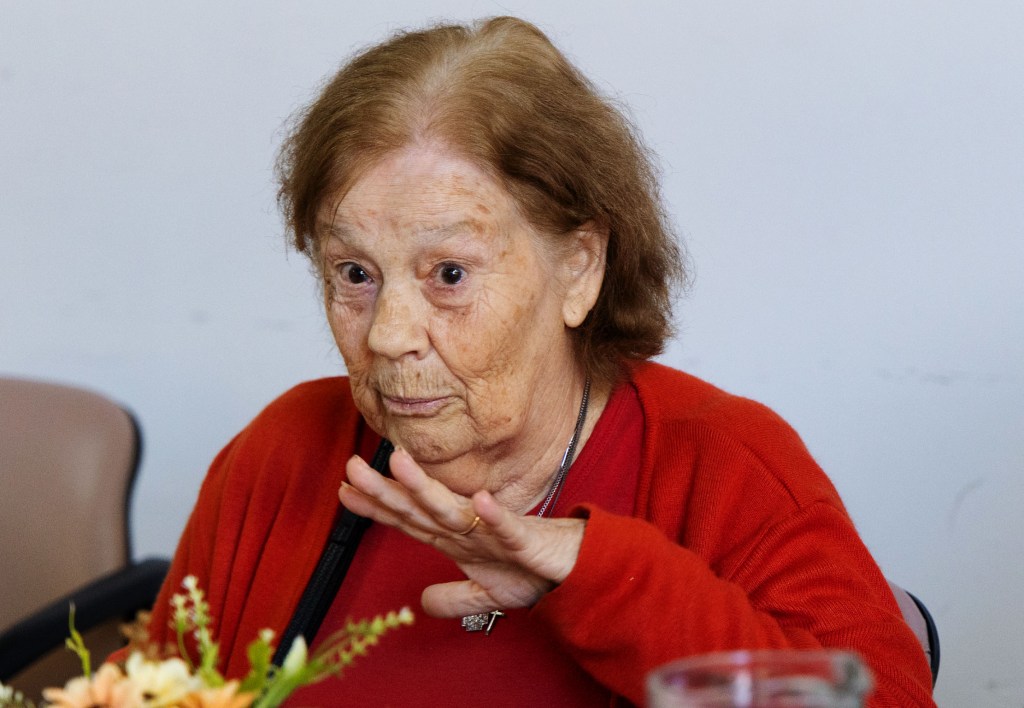
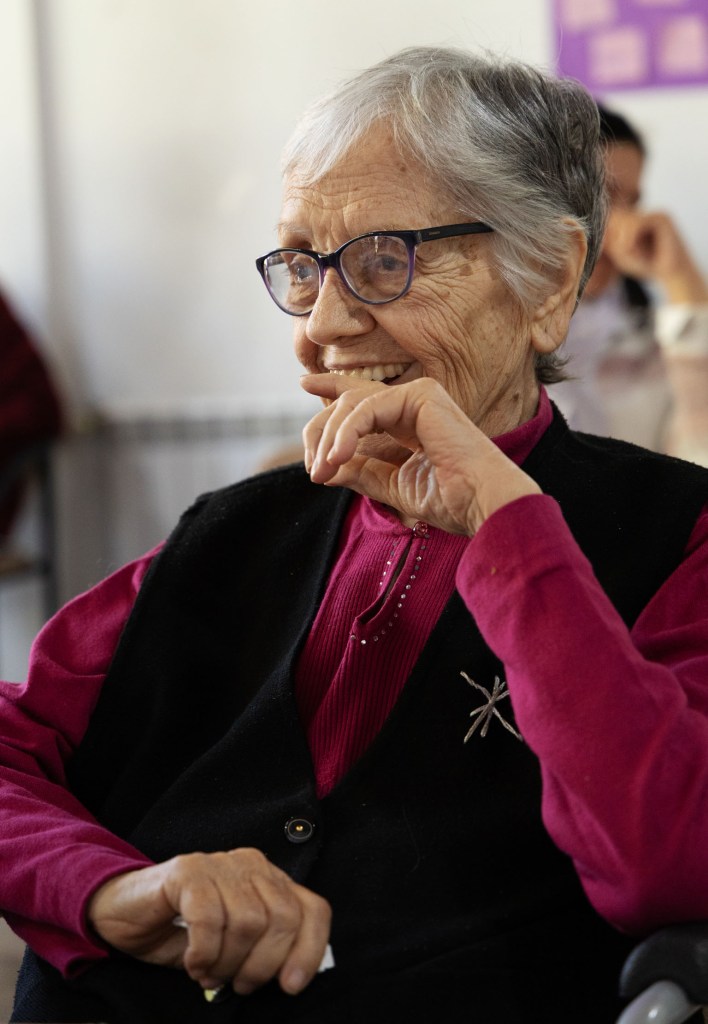
Asked what she likes about the home, however, her answer comes quickly. ‘Everything. The plants, my companions, the older people, the staff. The staff are magnificent.’
Residents can continue to enjoy the things that interest them and take part in activities that give structure and purpose to their days.
The gardens have particular significance. María had filled her own home with plants and flowers, so the green surroundings of Hogar Eliasen immediately offered something familiar. ‘I love flowers. I had lots of flowers and plants at home, so I thought I would feel at home here.’
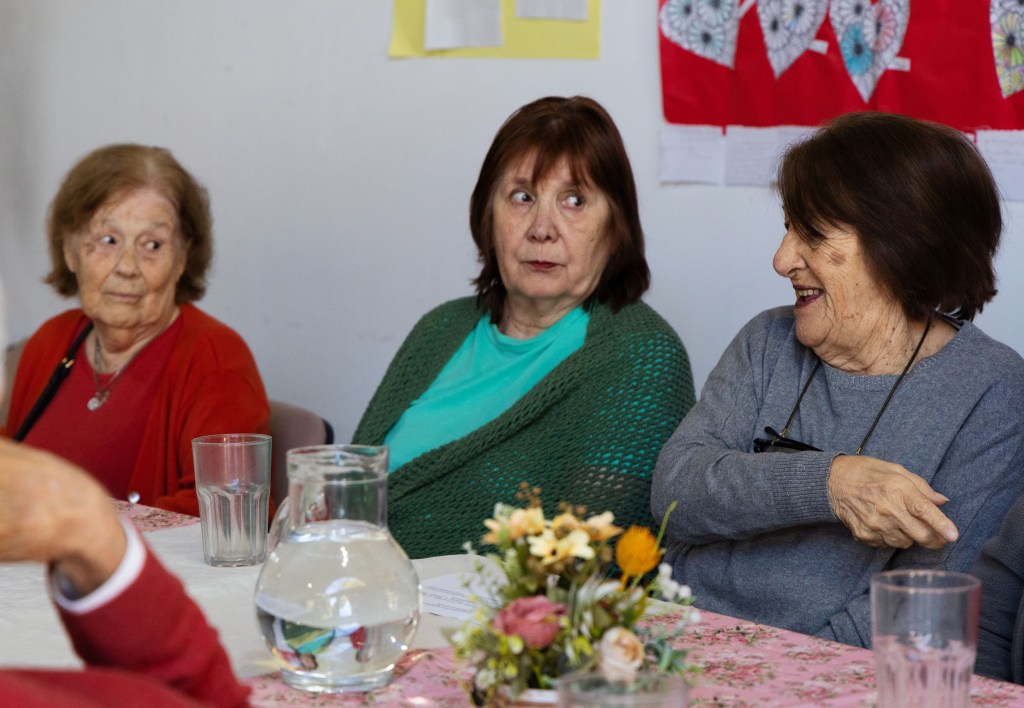
Friendship has become important too. María has found a small group with whom she regularly sits and has recently begun sharing accommodation with another resident. ‘We didn’t know each other at all,’ she says. ‘We started sharing the apartment about a month ago and we get along very well. She is wonderful. I feel like I won the lottery.’
Space to remain yourself
For Bernabé Pedro, who has lived at Hogar Eliasen for approximately two years, coming into residential care was not something he had originally imagined for himself.
His circumstances changed after his wife became unwell and their life together became increasingly difficult to manage. Eventually, he moved to Hogar Eliasen, where he also has family connections nearby.
He is matter-of-fact about the change. ‘I didn’t come here just because I wanted to come,’ he says. ‘I had to come.’
But he is equally clear about the quality of care he has experienced. ‘The care is very good. Very good.’
Bernabé retains his own interests and routines. His computer is important to him, particularly because it allows him to listen to music. French music is a favourite, alongside older songs he has enjoyed over the years. He also takes part in physical and mental activities. ‘I do gymnastics every morning to keep myself going and walking,’ he explains.
Workshops provide opportunities to exercise the mind too, with activities involving numbers, mathematics, history and Argentine artists. These choices matter. They allow life in the home to be more than a timetable of care. Residents can continue to enjoy the things that interest them and take part in activities that give structure and purpose to their days.
Bernabé also speaks warmly about the staff. ‘The team here are very helpful,’ he says.
Care that supports independence
That balance between providing support and preserving independence is central to the way Vanessa Paniagua describes her role. ‘I like working here because I like caring for older residents,’ she says. ‘I like assisting them, accompanying them and helping them with everyday tasks.’
Each morning, the team provides whatever support an individual resident needs, from personal care and getting dressed to breakfast and other meals. But, Vanessa explains, helping someone does not mean doing everything for them. ‘We also help them to do some tasks themselves, accompanying them in the things they are able to do.’
This combination of support, freedom and familiarity helps people maintain a sense of themselves rather than feeling that their identity has been replaced by that of ‘resident’.
The physical environment makes a difference too. Vanessa has previously worked in other residential settings and says the outdoor space at Hogar Eliasen helps distinguish it. Residents can move between different areas and enjoy the open spaces surrounding the home. This combination of support, freedom and familiarity helps people maintain a sense of themselves rather than feeling that their identity has been replaced by that of ‘resident’.
For Vanessa, the relationships that develop are one of the greatest rewards. When we suggest that residents can begin to feel like family, she laughs and agrees. ‘I used to have two grandparents,’ she says. ‘Now I have 40.’
Caring for families too
Major Marcelo Rosas, the Salvation Army officer responsible for Hogar Eliasen, understands that entering residential care is a transition not only for an older person but for an entire family.
He and his wife previously spent four years working at a residential home for older people in Uruguay before returning to this ministry in Argentina. That experience taught him that running a home well involves far more than managing what happens within its walls. ‘Working with the family is very important,’ he says. ‘We don’t only have to care for residents within the institution. We also need to have good contact with their families so that we can fulfil our mission.’
For relatives, the decision to entrust a parent or loved one to other people can be painful. ‘Sometimes families suffer a lot when they have to bring someone they love into a residential home and leave their mother or father in the care of other people,’ Marcelo says. ‘It isn’t always easy.’
Trust grows when relatives can see that someone they love is safe, valued and comfortable.
‘People feel well and they feel cared for,’ Major Rosas explains. ‘The human care we provide is very important. We have a good team and they are well prepared. We also have professionals who support us.’
The aim, he says, is for a residence gradually to become something more. ‘People begin to feel that this is their house. That is when it becomes a home, a place where they feel more comfortable.’ And that change affects families too. ‘When parents feel well, their families feel better too. They become more peaceful and have confidence in the institution.’
The things that make a home
There is no single moment when a residential building becomes a home. It happens in smaller ways: knowing where you like to sit at breakfast; discovering a new friend; tending or admiring flowers; choosing the music you want to hear; exercising in the morning; joining a history workshop; recognising a familiar member of staff when they walk through the door.
For María, home means feeling comfortable while acknowledging the life she had before and the future she now faces.
For Bernabé, it means being able to continue doing things that are his own.
For Vanessa, it is found in relationships strong enough for somebody to notice when she has been away.
And for Major Rosas, it lies in creating a place where residents and their families can trust that care will be both professional and deeply human, including their spiritual and soul care.
At Hogar Eliasen, those individual experiences come together to create something that cannot be measured simply by the services a care home provides.
They create belonging.
You must be logged in to post a comment.