
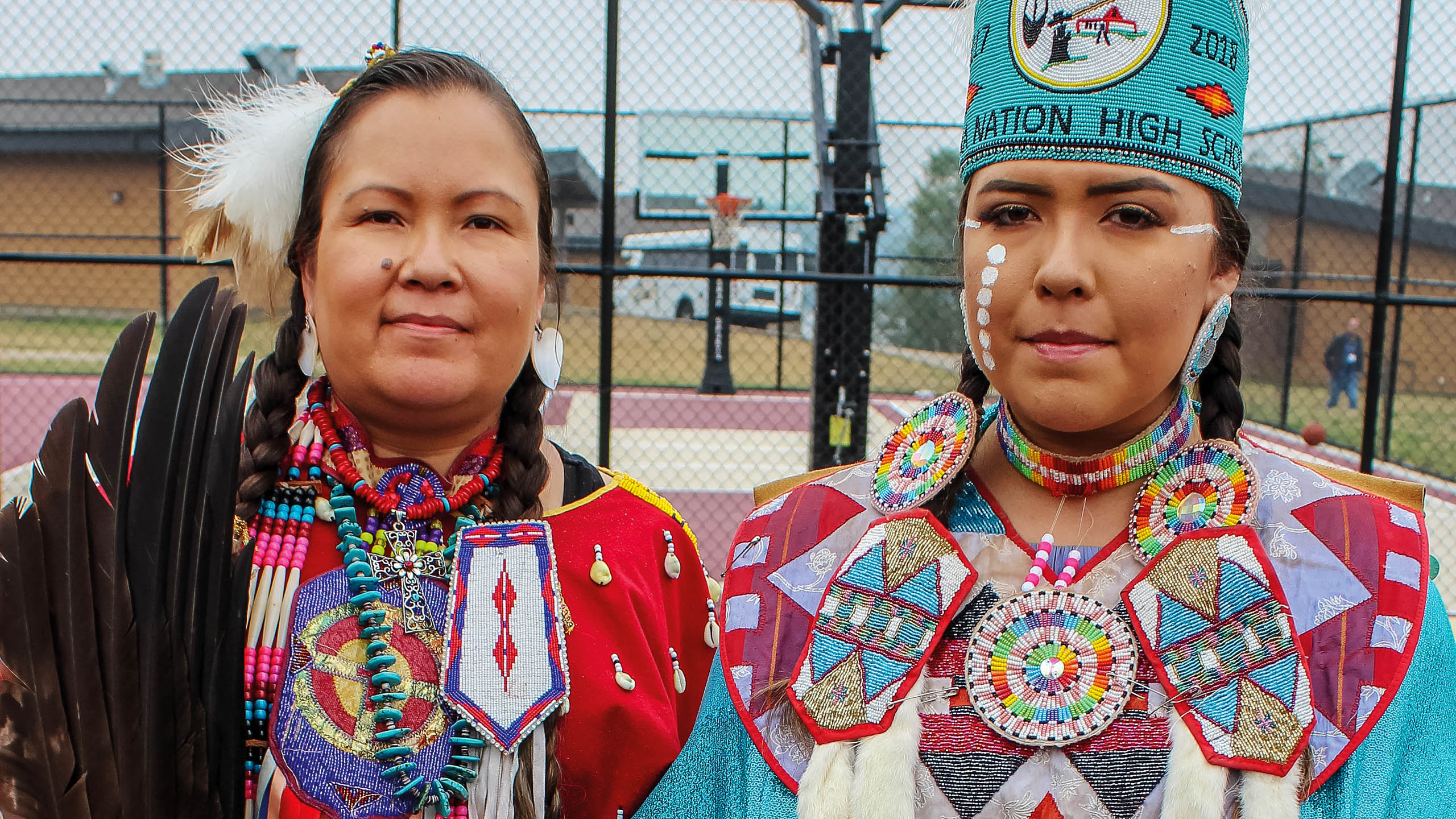
Sunday 9 August, 2026 was the United Nations International Day of the World’s Indigenous Peoples. In this article we look at ways in which The Salvation Army is working with Indigenous Peoples around the world.
From the Kaqchikel Maya of Guatemala to Māori communities in Aotearoa New Zealand, The Salvation Army is learning that walking alongside Indigenous Peoples begins with listening, respecting local knowledge and creating space for culture and leadership to flourish.
Across mountains and islands, forests and cities, Indigenous communities are preserving languages, traditions and knowledge passed between generations.
Their experiences are extraordinarily diverse. There is no single Indigenous culture or story. Yet connections to land, ancestry, community and identity run through many of them, alongside histories shaped by colonisation, displacement and the suppression of languages and cultural practices.
Around the world, The Salvation Army is discovering that meaningful relationships with Indigenous Peoples are not about arriving with all the answers but about listening and learning from them.
Each year on 9 August, the International Day of the World’s Indigenous Peoples offers an opportunity to celebrate those cultures and contributions while recognising the continuing importance of protecting Indigenous rights. The United Nations theme for 2026, ‘Honouring Indigenous Midwives: Safeguarding Life and Well-being’, particularly recognises Indigenous knowledge and those who carry it from one generation to another.
Around the world, The Salvation Army is discovering that meaningful relationships with Indigenous Peoples are not about arriving with all the answers but about listening and learning from them.


Indigenous women have brought ancestral agricultural knowledge to projects developed alongside The Salvation Army in Guatemala
Growing hope in Guatemala
In the highlands of Guatemala, that can mean getting your hands into the soil. Tecpán is home to a strong Indigenous community, with more than 90 per cent of its residents descended from the KaqchikelMaya. Kaqchikel language, traditional medicine, customs and cultural identity remain part of everyday life.
The project demonstrated how development can become a shared process, one in which Indigenous leadership is valued, and solutions grow from collaboration rather than being imposed from outside.
Here, Indigenous women have brought ancestral agricultural knowledge to projects developed alongside The Salvation Army in its Latin America North Territory. Rather than replacing traditional knowledge with outside solutions, the approach has brought ancestral farming practices together with sustainable agriculture.
The Growing a Sustainable Future project, launched in June 2025 with support from The Salvation Army World Service Office (SAWSO) Livelihoods Department, provided land, seeds, tools, training and guidance. It benefited 163 people, helping women improve family nutrition and build greater self-reliance and economic resilience.
But there was another important ingredient: respect for the knowledge already present in the community. The project demonstrated how development can become a shared process, one in which Indigenous leadership is valued, and solutions grow from collaboration rather than being imposed from outside.
Culture as part of healing
Thousands of kilometres away in Honolulu, Hawaii, culture is playing a different but equally significant role. For Kānaka Maoli (Native Hawaiian people) identity is closely connected to ʻāina, the land; kai, the ocean; genealogy, language and community.
At The Salvation Army’s ‘Ola Kino Maika‘I’ programme, those connections have become part of supporting women through addiction recovery. Alongside recovery services, women can participate in hula, gardening and harvesting, study Hawaiian language and learn more about their ancestors.


The Salvation Army’s ‘Ola Kino Maika‘I’ programme supports women through addiction recovery
The approach recognises that recovery is not simply physical. Culture and connection can contribute to emotional and spiritual wellbeing too, helping women develop a deeper sense of belonging, purpose and identity. It is a powerful reminder that in some circumstance, helping people move forward also involves creating space for them to reconnect with what has come before.
Reconciliation: more than words
In Canada, walking alongside Indigenous Peoples also means confronting a difficult history. First Nations, Inuit and Métis Peoples have distinct histories, cultures and languages, but Indigenous communities across Canada experienced the profound impacts of colonisation. Among them was the residential school system which removed children from their families and communities and disrupted the transmission of language, culture and identity.
Since 2016, The Salvation Army Canada and Bermuda Territory has been on its own journey towards reconciliation, guided by the United Nations Declaration on the Rights of Indigenous Peoples and the Truth and Reconciliation Commission’s Call to Action #48. Led by Indigenous Ministries Consultant Captain Crystal Porter, the work includes reconciliation circles, cultural celebrations, conversations and opportunities for Salvationists to learn directly from Indigenous people.


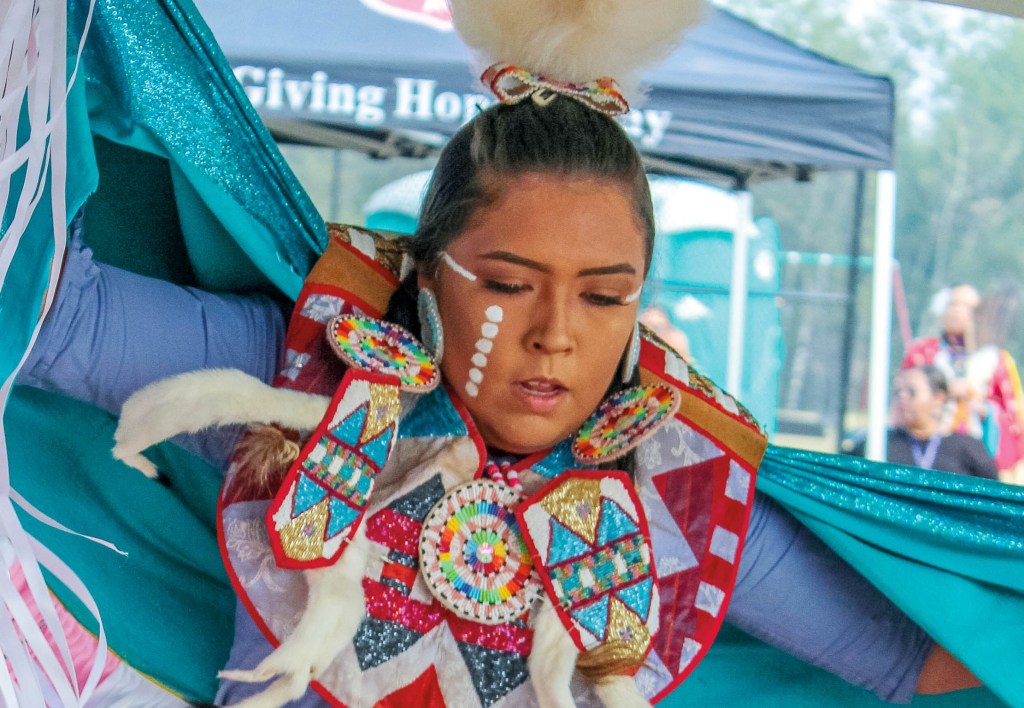
Hosting cultural celebration events is just one of the many ways that The Salvation Army in Canada is helping to provide healing and reconciliation for indigenous people.
Its 2026, Celebration of Culture carries the theme Living Knowledge: The Stories that Carry Us and is an acknowledgement that stories and knowledge are not simply records of the past but something living, shared and carried forward. Other resources encourage individuals and groups to explore reconciliation personally. They include a Lenten pathway based around right relationships, interviews and podcasts amplifying Indigenous experiences and practical guidance on developing meaningful land acknowledgements. The emphasis is not simply on saying the right words but allowing listening and learning to influence relationships and action.
It is a powerful reminder that in some circumstance, helping people move forward also involves creating space for them to reconnect with what has come before.
Walking together in Australia
That same principle is being put into practice in Australia. The Salvation Army Australia (commonly referred to as ‘the Salvos’) is one year into its Stretch Reconciliation Action Plan, which contains 127 deliverables intended to translate a commitment to reconciliation with Aboriginal and Torres Strait Islander peoples into day-to-day practice.
Alongside the plan sit a Territorial Aboriginal and Torres Strait Islander Advisory Council and a dedicated ministry team working with corps (churches) and local mission expressions. Listening has a particular place in that work. Yarning Circles offer culturally safe spaces in which stories, knowledge and lived experiences can be shared and relationships strengthened. Listening, however, is accompanied by measurable action. During the plan’s first year, this has included returning authenticated Aboriginal and Torres Strait Islander cultural artefacts to the communities to which they belong.
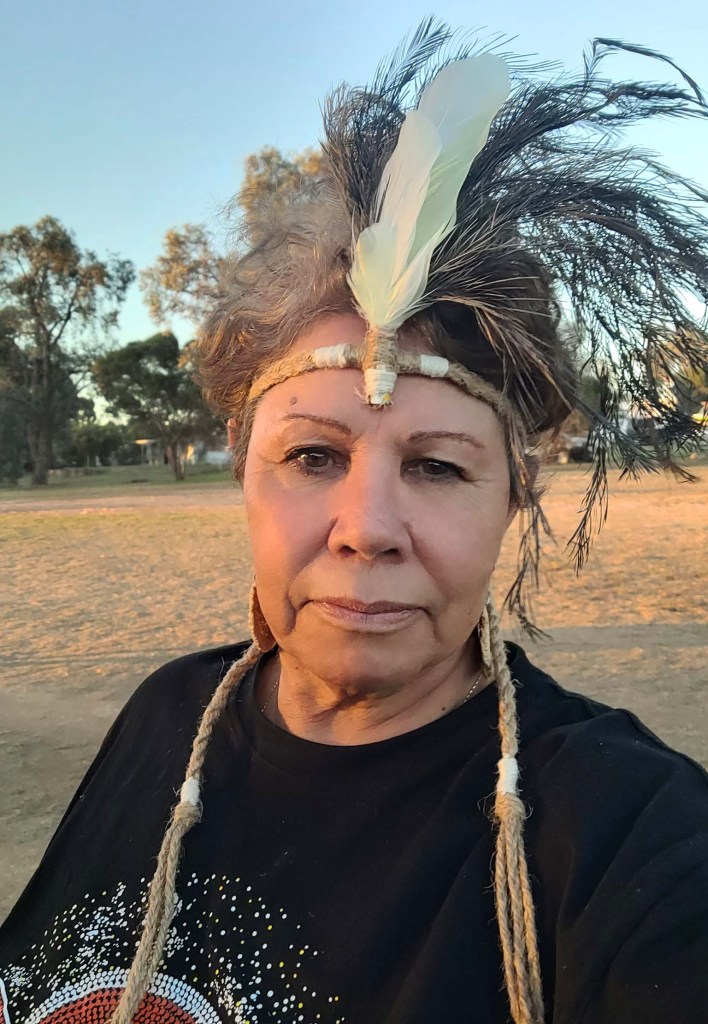


Salvation Army works alongside communities in Australia
Salvation Army programmes across Australia also work alongside communities in areas including education, housing, employment, youth leadership and wellbeing. During National Reconciliation Week, The Salvation Army joined more than 41,000 people across 700 choirs in the Voices of Reconciliation initiative, using music to celebrate culture and encourage greater understanding.
Language, leadership and belonging
Sometimes honouring culture is expressed through the language in which people worship. Across Bolivia, Peru and Ecuador, The Salvation Army has served alongside Aymara, Quechua and Kichwa communities for many years.
In Peru, corps meetings have historically taken place in both Spanish and Quechua. In Ecuador, ministry among Indigenous communities in Guamote and Cochaloma eventually led to the establishment of the first Kichwa-speaking Salvation Army corps, led by officers from the region itself. Practical projects have ranged from greenhouses and farming equipment to community health campaigns, children’s feeding programmes, emergency relief and a drinking water system. The combination matters: spiritual and practical ministry that recognises Indigenous language, culture and leadership rather than asking people to leave them at the church door.
Similar relationships are developing elsewhere in the Asia Pacific region. The Salvation Army is working alongside Lahu people in Thailand, supporting Iban children and families in East Malaysia and reaching Indigenous communities in Perak in West Malaysia. Indigenous leadership is also part of Salvation Army corps life in Sabah.
The emphasis is not simply on saying the right words but allowing listening and learning to influence relationships and action.
A covenant in Aotearoa
In Aotearoa New Zealand, partnership has been given a particularly significant expression. Māori are tangata whenua – people of the land – of Aotearoa. In 2023, The Salvation Army established Te Tai Aroha, its Māori ministry, through a Kawenata, or Covenant, between the Territorial Governance Board and the Māori Ministry Rūnanga.
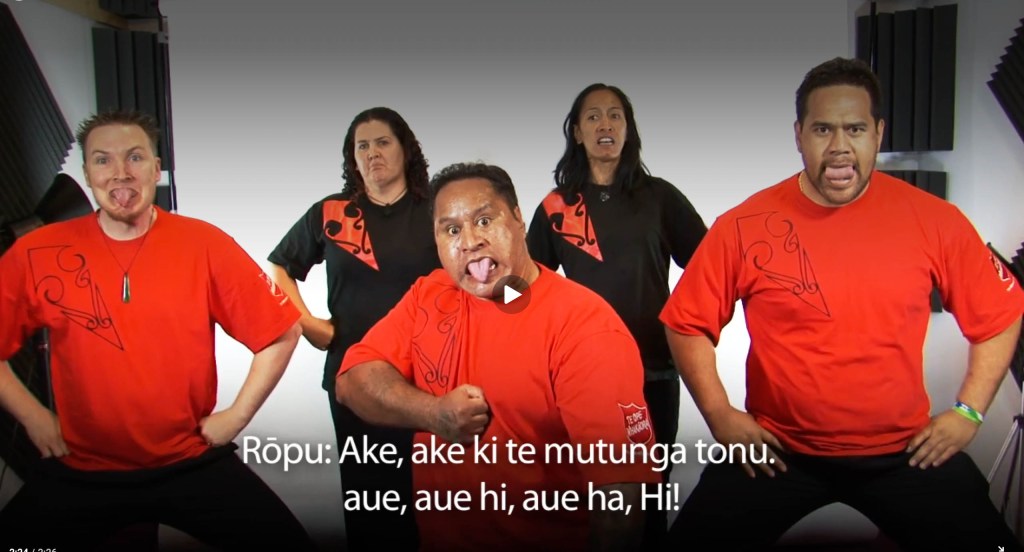
Still from the video for ‘Te Haka A Te Poti’ – A Māori haka displaying the message of Willaim Booth and his mission for The Salvation Army–’I’ll Fight’. This is part of The Salvation Army’s Māori ministry – Te Tai Aroha.
The covenant reflects a commitment to honour Te Tiriti o Waitangi and creates space for Māori voices, wisdom, leadership and aspirations within the Church and its mission. At its heart are values including whanaungatanga – relationships and connection; manaakitanga – care, hospitality and respect; kotahitanga – unity and working together; and aroha – love and compassion.
They provide a language not simply for ministry to a community, but for relationship, partnership and shared leadership.


Salvation Army teams are involved in communities across Malaysia
Finding connection across oceans
Geography can present very different challenges. In remote parts of Alaska, The Salvation Army partners with local organisations through Operation Santa, travelling by military aircraft and helicopters to take Christmas celebrations and gifts to children in communities that can be difficult to reach. Alaska is home to many distinct Alaska Native peoples, each with their own languages, traditions and relationships with their environment.
Across the Pacific, Marshallese communities also maintain a profound relationship with island, ocean, ancestry and community. On the remote island of Imiej, where conventional mobile and internet connections are unavailable, Salvation Army leaders use walkie-talkies for daily devotionals, prayer and worship. In Majuro, an after-school programme supports children’s education, while on Ebeye Island practical ministry includes supporting vulnerable families and children experiencing hunger.
The circumstances may be different, but the importance of relationship remains.

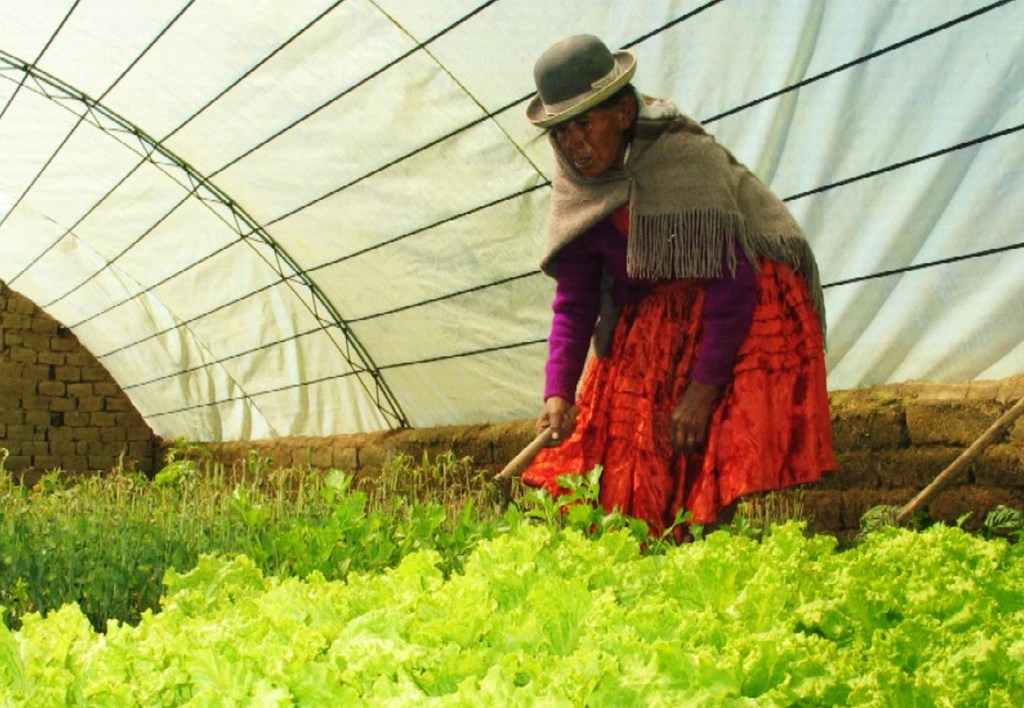
Salvation Army projects that are helping communities across South America include sustainable agriculture
Learning to walk differently
Perhaps one of the simplest places to begin is by noticing where we are. The Salvation Army Canada and Bermuda Territory encourages land acknowledgements as one way of recognising the enduring relationship between Indigenous Peoples and their lands and waters.


The Salvation Army teams help communities across Malaysia
An acknowledgement is also intended to prompt something deeper: learning whose traditional lands we inhabit, listening to Indigenous voices and considering how relationships can be strengthened. That principle travels far beyond Canada. The stories from Guatemala, Hawaii, Australia, Aotearoa New Zealand, South America, Asia Pacific and elsewhere reveal no single model for working alongside Indigenous Peoples and nor should there be one.
Instead, there is something more fundamental: a willingness to listen before speaking, to recognise wisdom that already exists, to make space for local leadership and to understand culture not as something incidental to people’s lives but as part of identity, belonging and wellbeing.
For The Salvation Army, whose Christian mission calls it to recognise the dignity and worth of every person, that offers both an opportunity and a challenge. Walking together begins by recognising that we each have something to learn.
You must be logged in to post a comment.