

From local communities to the global stage, amplifying voices and championing justice
From protecting displaced women and children in Haiti to helping ensure older people remain heard in decisions about their lives; The Salvation Army’s International Social Justice Commission takes experiences from communities around the world into places where global decisions are made. Directors Lieut-Colonels Ian and Liz Gainsford explain why seeking justice begins much closer to home.
A woman displaced by violence in Haiti. A person being exploited through human trafficking but not recognised as a victim. An older person whose cognitive abilities are changing, but whose wishes, relationships and right to make decisions remain. Their circumstances are very different, but each raises an important question: who is listening?
For The Salvation Army’s International Social Justice Commission (ISJC), listening is where advocacy begins. Based in New York City and part of International Headquarters, the ISJC is The Salvation Army’s strategic voice advocating for human dignity and social justice alongside people who are poor, oppressed or marginalised. Its work reaches into some of the biggest issues facing our world – poverty, human rights, migration, gender equality, human trafficking, access to education and health care and care for creation.
But for its Directors, Lieut-Colonels Ian and Liz Gainsford, the starting point is not an international conference room. ‘There’s a saying that says justice is always local,’ Ian explains. ‘We do advocate at an international level, at a high level. But we also believe justice must be local.’
Local voices, global conversations
Established in 2007, the ISJC advises the General (the international leader of The Salvation Army) and international leadership on issues of global justice; undertakes research and engages extensively with the United Nations and its processes. It also has a mandate to equip people across The Salvation Army to advocate for justice in their own settings.
The Salvation Army’s relationship with the UN gives it opportunities to contribute evidence and experience to international discussions about human rights and sustainable development. That may sound far removed from everyday Salvation Army ministry. In reality though, the link between the two is crucial.
Across the world, Salvation Army churches (corps), centres and focussed programmes work alongside people experiencing poverty, displacement, discrimination, exploitation and insecurity. The ISJC seeks to ensure that what is being seen and learned in those communities can inform conversations taking place at international level.
A conversation in an international meeting room had found its way back to a community thousands of miles away.
Liz describes the challenge as making sure the right experiences are available at the right moment. ‘We want to be able to share local stories,’ she says. ‘We want to be able to show the experience of what’s happening in communities all over the world, not just in places we know or have been to.’ Those examples can then demonstrate both where people are struggling and where something is working.
Sometimes the connections are surprisingly direct. Liz recalls how former General André Cox, now working part-time with the ISJC, found himself sitting beside someone at an international meeting who recognised his Salvation Army uniform. Their conversation eventually enabled a connection to be made with Salvation Army leadership in Fiji around a local need.
A conversation in an international meeting room had found its way back to a community thousands of miles away.
From experience to action
That relationship between local experience and international advocacy has been particularly evident in recent months.
In July 2026, the ISJC worked with local territories to submit reports to the United Nations highlighting human rights concerns in Haiti, Uganda and Ukraine. Drawing on Salvation Army presence and experience in each country, the submissions addressed gender-based violence and children’s rights in Haiti, trafficking in persons in Uganda and the rights of internally displaced people in Ukraine, including access to health care and education. They form part of the Universal Periodic Review, through which the human rights record of every UN member state is examined.
The process gives organisations such as The Salvation Army an opportunity to bring the experience of communities into discussions that can ultimately influence recommendations to governments.
For people on the ground, those issues are anything but theoretical.
In Haiti, subsequent Salvation Army advocacy at the UN Human Rights Council called for greater humanitarian access and stronger protection for women and children displaced by violence. The intervention highlighted the need for coordinated survivor-centred services and greater protection for children whose safety and rights are under threat.
Will somebody recognise that a person is being exploited? Will they know what to do? Will that person reach safety?
On human trafficking, The Salvation Army joined the World Evangelical Alliance in September in calling for stronger systems to ensure people experiencing exploitation are identified and connected with protection, support and justice.
The statement highlighted a gap that can exist even where laws are in place: a person may encounter a church, charity or community organisation, but unless somebody recognises what is happening and knows where to refer them, the protection theoretically available to them may never be reached.
This is where international advocacy becomes intensely practical.
Will somebody recognise that a person is being exokiuted? Will they know what to do? Will that person reach safety?
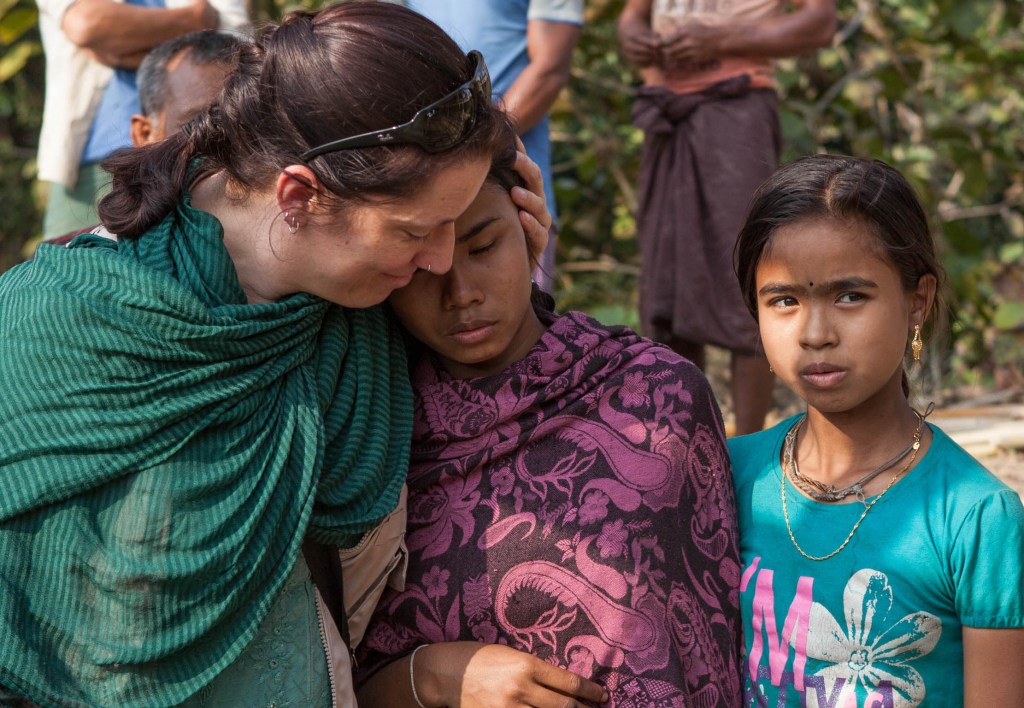
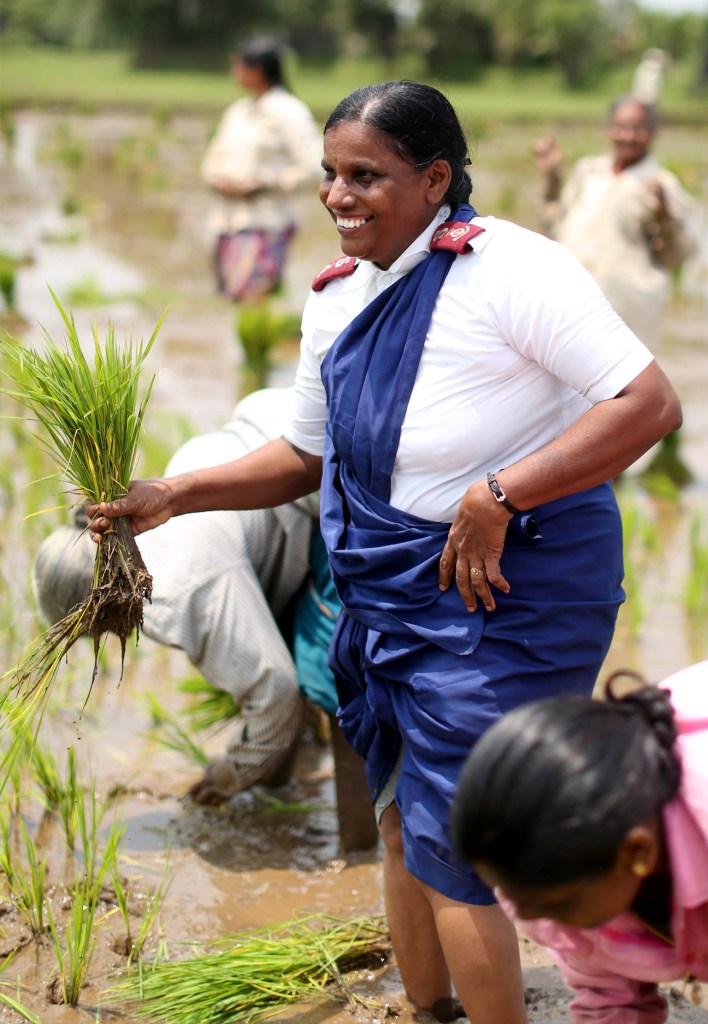
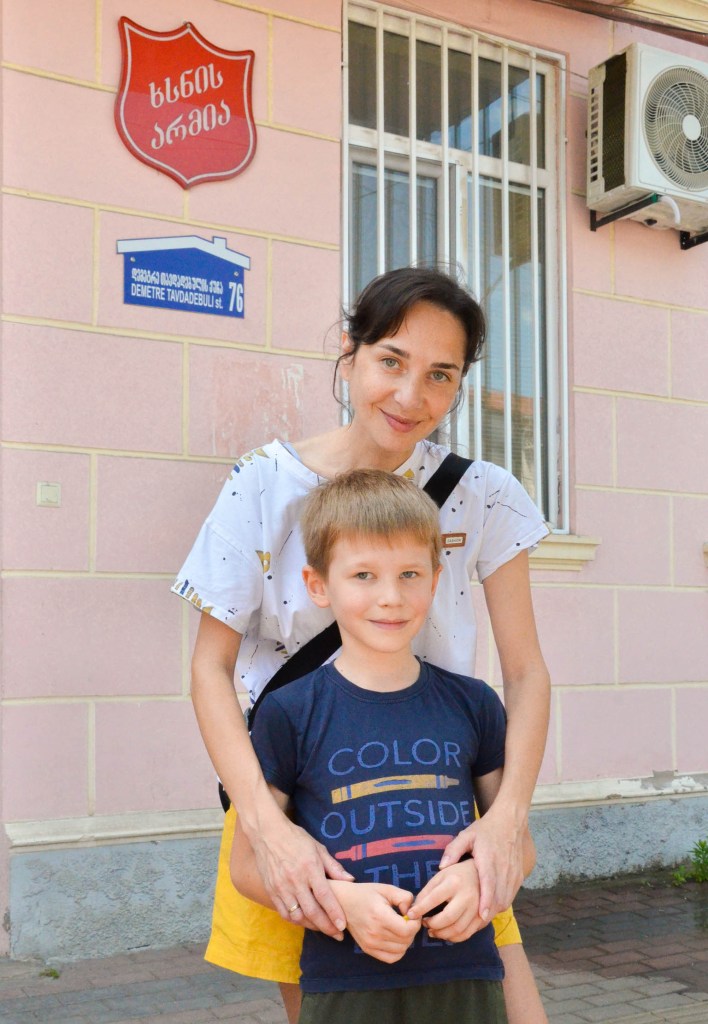
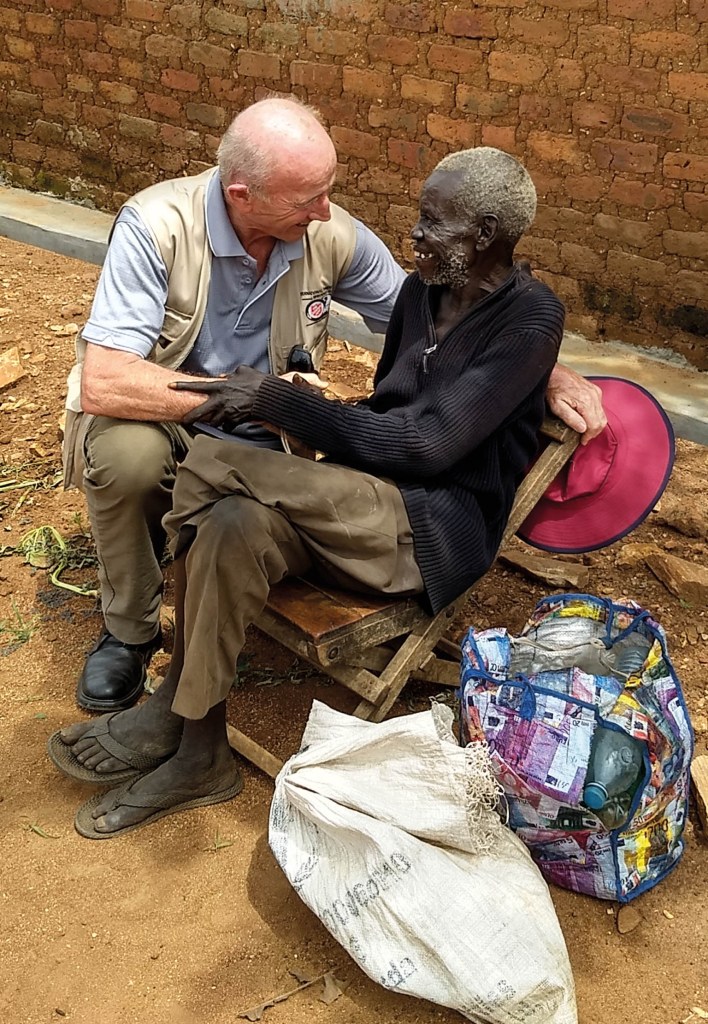
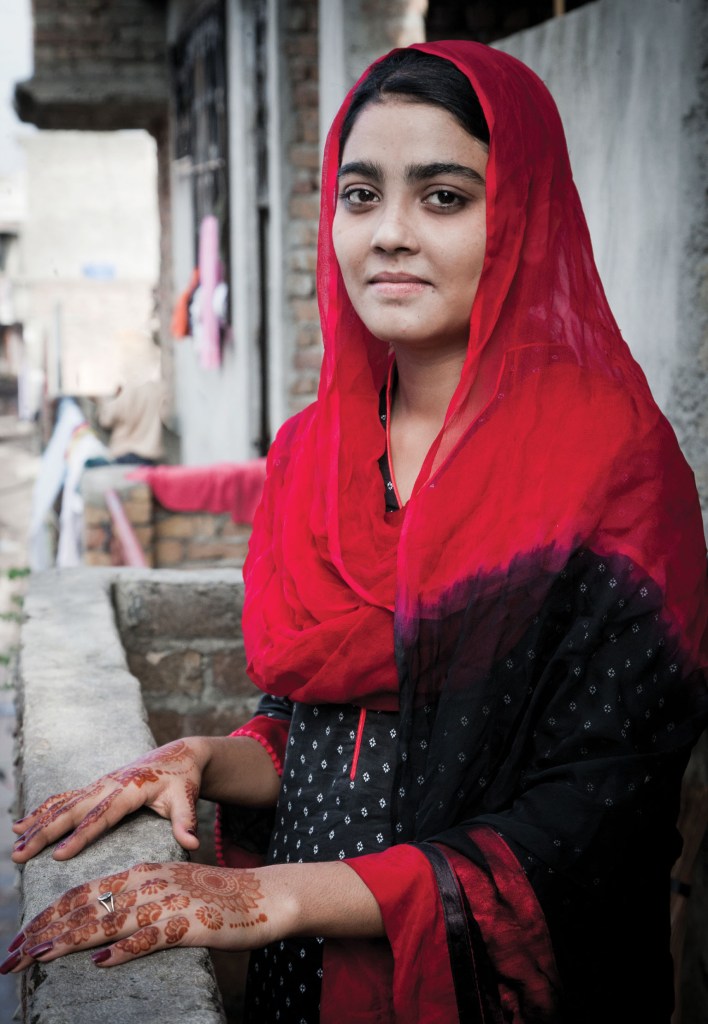
The Salvation Army’s work reaches into some of the biggest issues facing our world – poverty, human rights, migration, health care, gender equality, human trafficking, access to education and care for the environment
The right to remain heard
Social justice is not always connected with the issues that most readily make headlines.
In September, The Salvation Army also addressed the UN Human Rights Council on the human rights of older people living with cognitive impairment.
Using data and lived experience from Salvation Army run residential care, community and pastoral programmes around the world, the statement emphasised that cognitive impairment must never be treated as a loss of personhood or human rights. Older people should continue to have their wishes respected and remain meaningfully involved in decisions about their lives and care.
It is another expression of a principle running through the ISJC’s work: people affected by an issue should not disappear from the conversation about it.
For Liz, creating opportunities for people to find their voices can begin much earlier. Speaking on Frontlines about work with girls and young women, she describes the value of providing a safe environment in which they can develop the confidence to speak. ‘It’s just hearing the stories of others,’ she says. ‘Experiences can only broaden your understanding of the world that we live in and give you a different perspective.’
A new chapter
Ian and Liz recently took up their joint roles as Directors of the ISJC, bringing with them experience from appointments across New Zealand, Australia, Tanzania and elsewhere.
Liz has served in corps ministry, training and development, divisional leadership and territorial appointments and has a particular passion for helping people develop and reach their potential.
Ian’s appointments have encompassed church leadership, community and youth work, training and territorial leadership. He describes a deep commitment to holistic mission – a gospel expressed through both faith and action, love and justice.
Their conversation about that calling became the first episode of Frontlines, The Salvation Army’s new international monthly podcast, produced at International Headquarters in London.
In conversation with presenter Larissa Heath, they explored everything from poverty and gender equality to migration, environmental responsibility and the UN Sustainable Development Goals – alongside some of the complexities of representing a global Christian movement in conversations about challenging issues.
There is certainly no shortage of subjects demanding attention. When asked which justice issue The Salvation Army should particularly be focusing on, Liz laughs as she recalls trying to make a list when they first arrived.
‘We stopped after a page,’ she says. ‘We were like, this is not a priority list.’
Poverty remains fundamental. But, Ian stresses, poverty is about more than income. ‘Poverty is also access to opportunities, access to education, access to health,’ he says, before highlighting environmental responsibility, nationalism and even the ethical implications of artificial intelligence among the questions Christians increasingly need to consider.
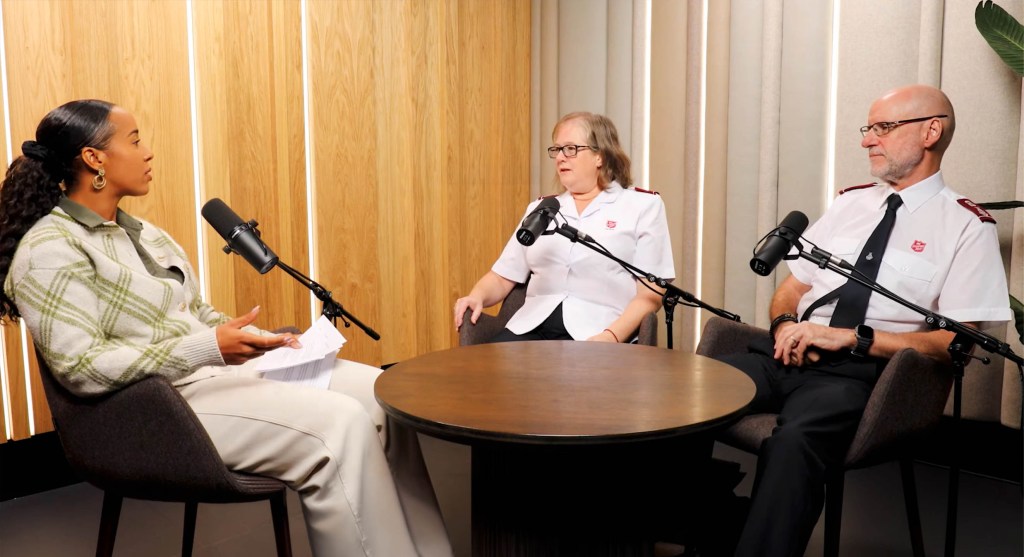
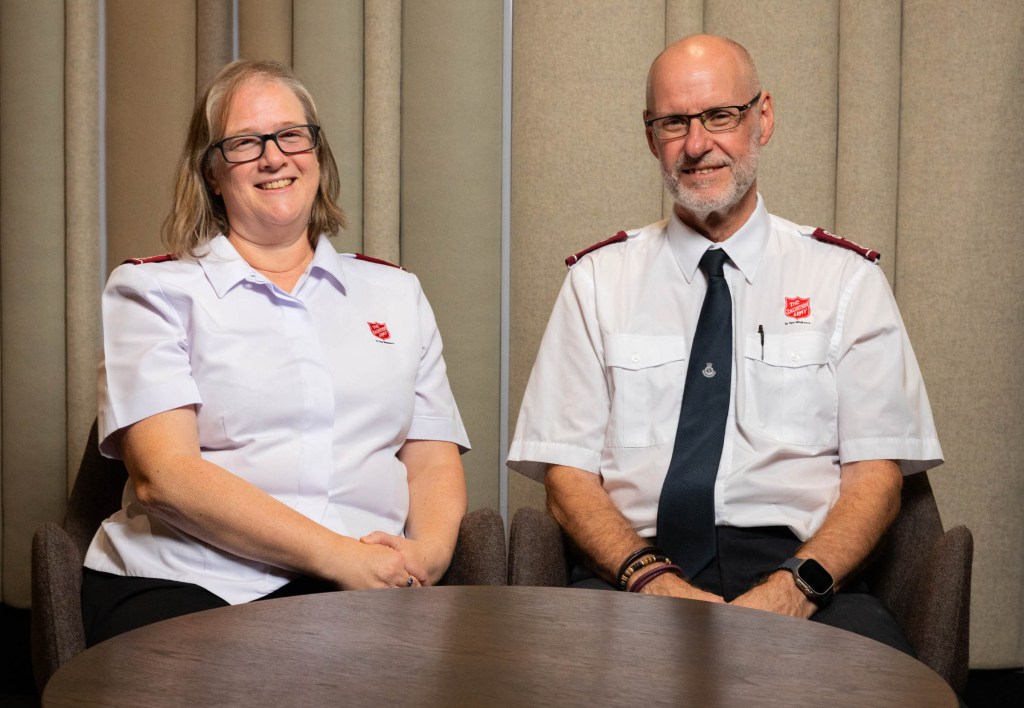
Ian and Liz Gainsford being interviewed about the ISJC by presenter Larissa Heath during a Frontlines podcast
Finding our prophetic voice
For Ian and Liz, social justice is not an optional extra to Christian mission. It also means recognising that speaking about injustice will not always be comfortable.
Liz readily acknowledges that she naturally prefers harmony to confrontation. ‘There are times when, in love, you have to say something in a kind and generous way,’ she says. ‘I think that we can be in danger of remaining quiet.’
Ian agrees. The Salvation Army does not align itself with political parties, he stresses, but that does not mean it should be uninterested in the structures and decisions that determine whether people can access education, health care, social protection or fair treatment.
And sometimes that requires courage. ‘There’s no point having a prophetic voice if you never use it,’ Ian says.
That does not mean confrontation for confrontation’s sake. ‘There are some issues currently in the world, and it can be very difficult to find the right thing to say,’ he continues. ‘But I don’t think that means we should shy away from saying something.’
Perhaps that is where the work of the International Social Justice Commission comes full circle.
It may take Salvation Army voices into the United Nations and other international spaces. But it begins with noticing what is happening to people in communities and deciding that their experiences matter.
For most Salvationists, seeking justice will never involve speaking at the United Nations. It might mean listening to somebody who is rarely heard. Asking why a neighbour cannot access the support they need. Recognising exploitation. Challenging an assumption. Caring for creation. Making space for somebody else’s voice. Or having the courage to speak when silence would be easier.
The scale may be different. But, as Ian says, justice is always local.
Listen to Frontlines Lieut-Colonels Ian and Liz Gainsford were the first guests on Frontlines, The Salvation Army’s international monthly podcast.
Episode 1, Social Justice Global and Local, explores The Salvation Army’s engagement with the United Nations, the Sustainable Development Goals and the continuing responsibility of the Church to speak and act for justice.
Listen on Spotify, Apple Podcasts and YouTube, or visit salvationarmy.org.
You must be logged in to post a comment.