

From Liberia to the USA, David S. Massaquoi shares his experience in education, child protection and the response to modern slavery and human trafficking.
What happens when a leader steps away from the demands of the everyday, not to leave them behind, but to see them differently?After more than two decades working in education in Liberia, David S. Massaquoi has travelled to the United States as a Hubert H. Humphrey Fellow at the University of Minnesota. For David, the year is an opportunity to reflect, learn and build new international connections, but it is far from a one-way exchange .
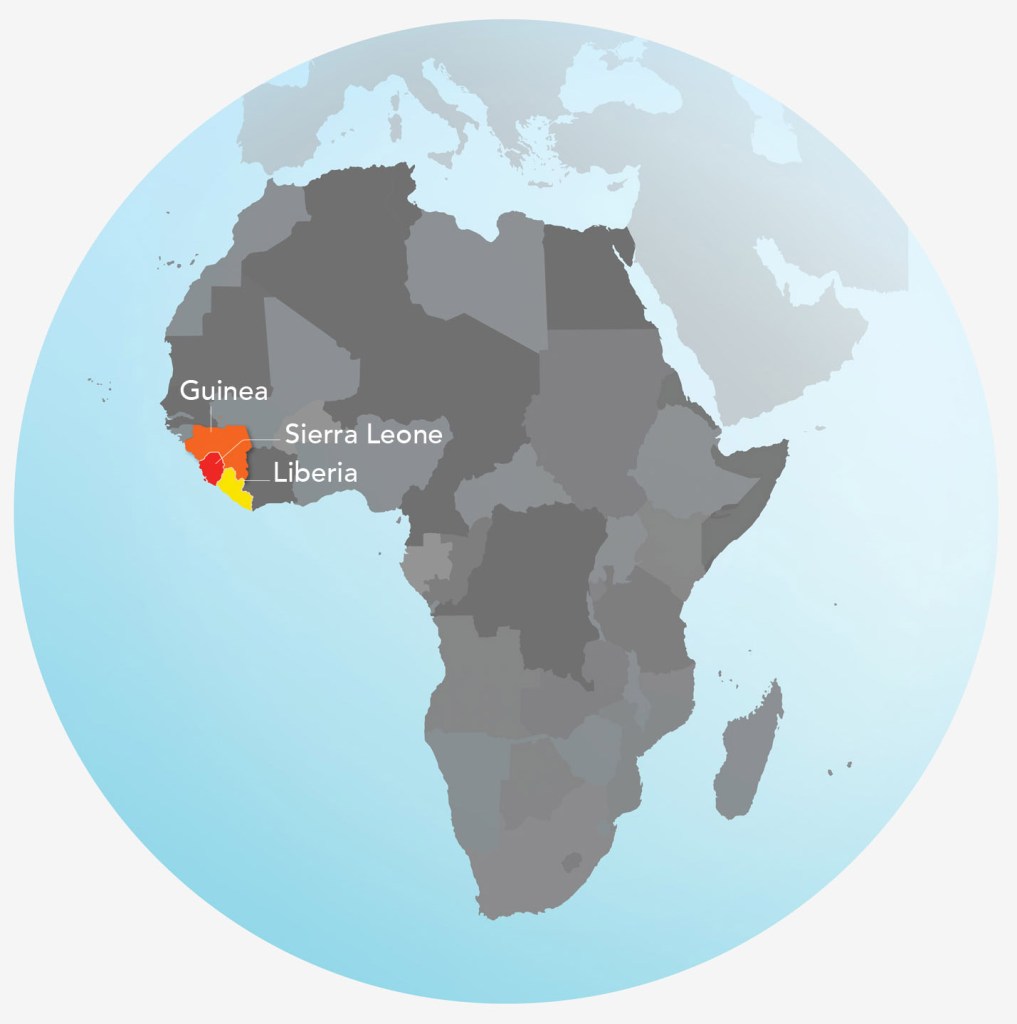
As Director of Education and National Contact Person for Modern Slavery and Human Trafficking Response for The Salvation Army’s Liberia, Sierra Leone and Guinea Territory, David brings with him extensive experience of leading schools through challenging circumstances, strengthening child protection and exploring the vital role education can play in preventing exploitation. His focus is firmly on what happens next: how ideas encountered in Minnesota can be adapted to Liberia, shared with educators across Africa and ultimately translated into better opportunities and greater protection for young people. Here, David talks about what Liberia has taught him, what he is discovering in Minnesota and why he believes education can help give young people not only knowledge, but greater choice over their futures.
Congratulations on being selected as a Hubert H. Humphrey Fellow. What does this opportunity mean to you personally and professionally?
Being selected as a Hubert H. Humphrey Fellow is both an honour and a significant milestone in my life and professional journey. Personally, it gives me the opportunity to step back, reflect on more than two decades of service and consider how I can make an even greater contribution in the years ahead.
Professionally, it provides an opportunity to strengthen my leadership, broaden my knowledge and learn alongside and network with other experienced professionals from around the world. I see it not simply as an opportunity for me, but as an investment in the communities, schools, educators and young people I serve.
The academic, professional and cultural experiences I am gaining here will shape the next stage of my professional journey and, ultimately, enable me to make a lasting impact that extends well beyond my years of active service.
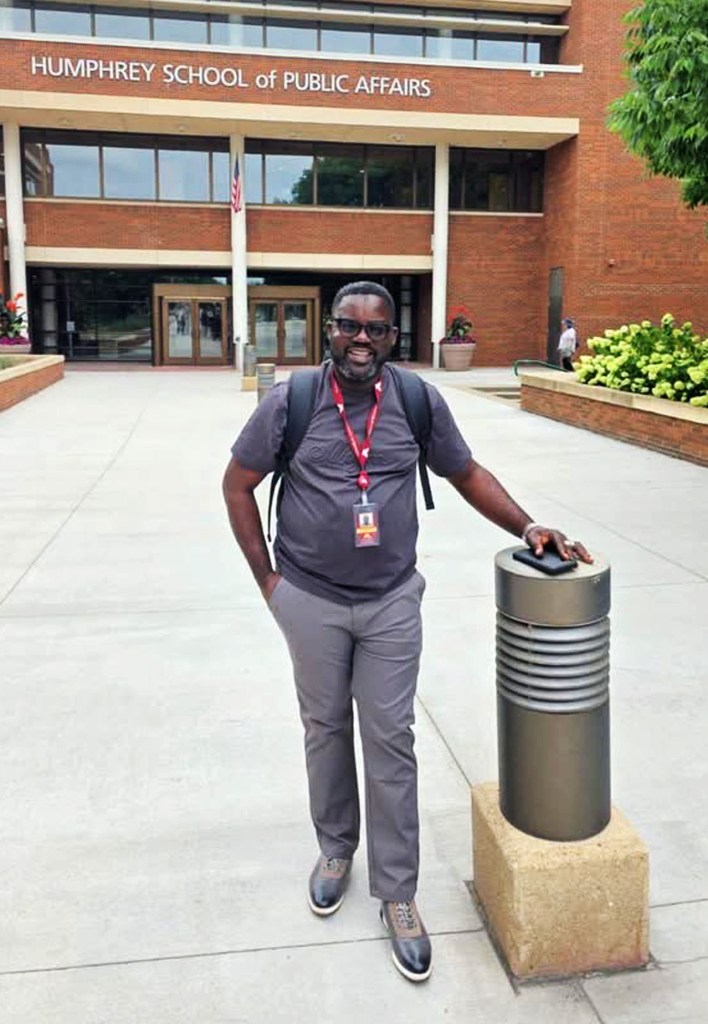
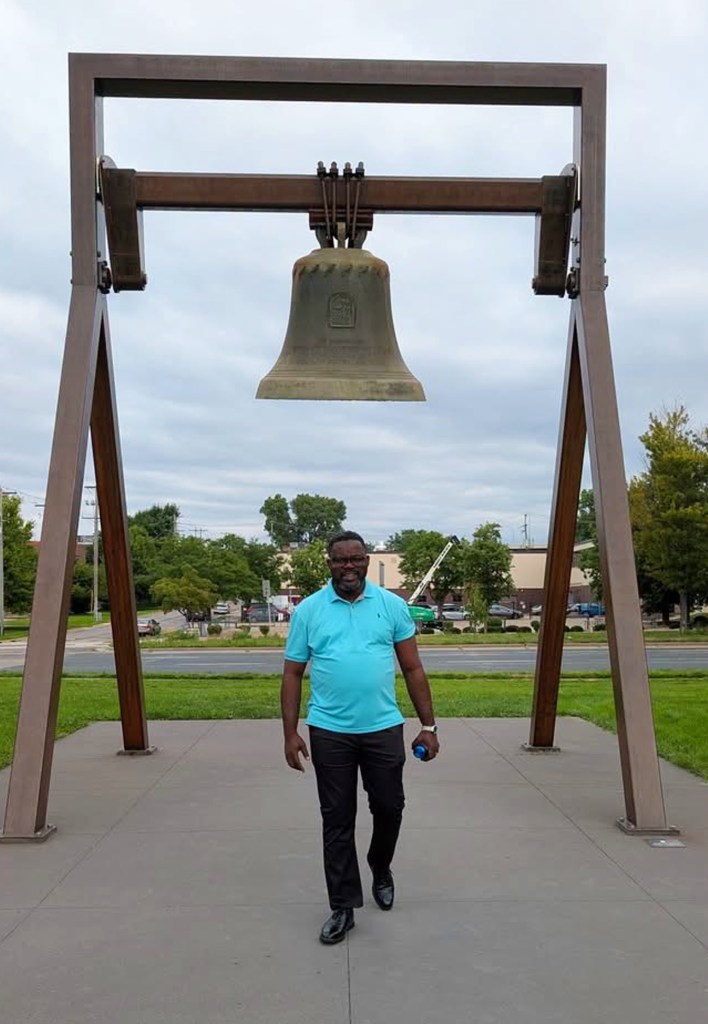
David outside the Humphrey School of Public Affairs
I am especially interested in how strong systems can be built in resource-constrained environments without losing sight of the individual child.
You have spent more than 20 years working in education in Liberia. Why did this feel like the right point in your career to step away from your day-to-day responsibilities and spend a year at the University of Minnesota?
After more than 20 years in education, including 15 years in leadership, I felt this was an important moment to pause, reflect and invest in the next stage of my development.
Leadership can become so focused on immediate responsibilities that we do not always have enough time to step back and examine the bigger picture. This fellowship gives me that space. It allows me to evaluate what has worked, challenge some of my assumptions, engage with new research and approaches and think strategically about the future.
I did not see coming to Minnesota as stepping away from my responsibilities. I saw it as preparing myself to return to them with renewed perspective, stronger networks and greater capacity to serve.
What are the particular challenges you have brought with you from Liberia that you hope to explore during your time in Minnesota?
I am particularly interested in how we can build education systems that are more equitable, resilient and responsive to the realities facing young people.
In Liberia, schools operate within communities affected by economic hardship, limited resources, technological gaps and significant child-protection concerns. Young people are also growing up in a rapidly changing world, so education cannot focus only on academic achievement.
During my time in Minnesota, I want to explore approaches to educational leadership, policy, technology, workforce development, safeguarding and inclusive education. I am especially interested in how strong systems can be built in resource-constrained environments without losing sight of the individual child.
Those experiences also taught me that leadership is not about having all the answers. It is about listening, bringing people together, making difficult decisions when necessary and remaining focused on the people affected by those decisions.
Your work spans education, child protection and the response to modern slavery and human trafficking. Are there particular areas you want to concentrate on during the fellowship?
One area I would particularly like to concentrate on during the fellowship is the role of education in protecting young people from abuse, exploitation, modern slavery and human trafficking.
In my roles as Director of Education and National Contact Person for Modern Slavery and Human Trafficking Response with The Salvation Army Liberia, Sierra Leone and Guinea Territory, I have led efforts to integrate child protection and anti-human trafficking initiatives within Salvation Army schools in Liberia.
I would like to build on this experience through a research-oriented and evidence-informed examination of how education systems can strengthen prevention, identify vulnerabilities early, improve safeguarding and referral mechanisms, and equip educators and young people to recognise and respond to risks.
Ultimately, I hope to use the research insights, comparative perspectives, and professional networks gained through the fellowship to strengthen preventive approaches to human trafficking and child exploitation in Liberia.
I am particularly interested in identifying effective practices from other contexts and determining how they can be adapted to Liberia. My goal is to help shift the focus from responding primarily after exploitation has occurred to reducing vulnerabilities earlier and positioning education as a strategic part of Liberia’s child protection and anti-human trafficking response.

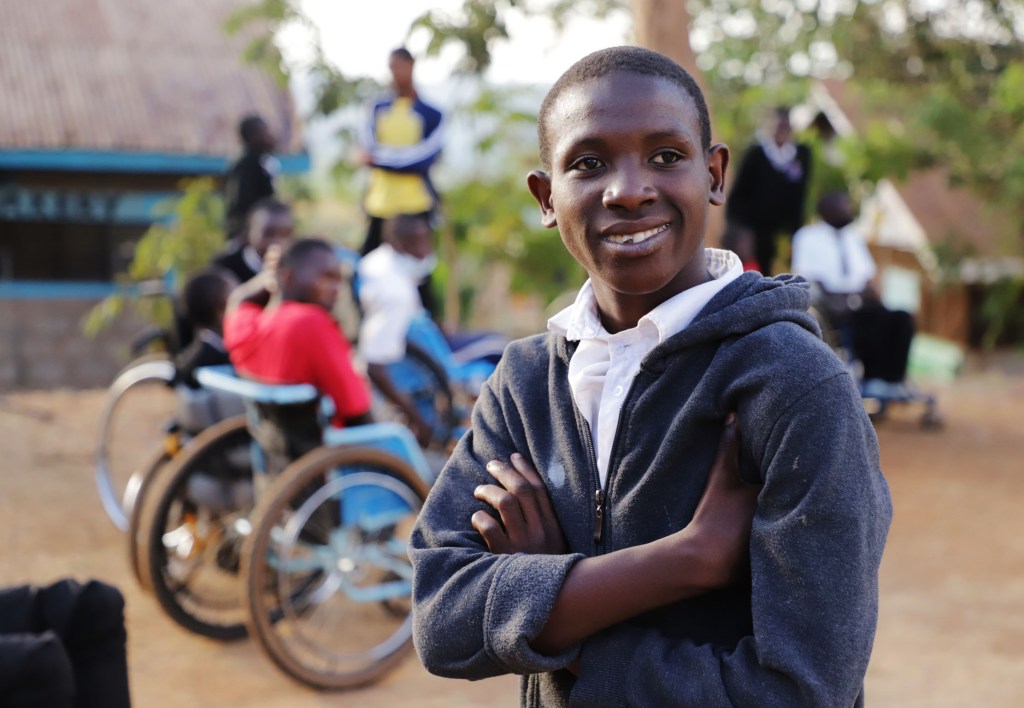
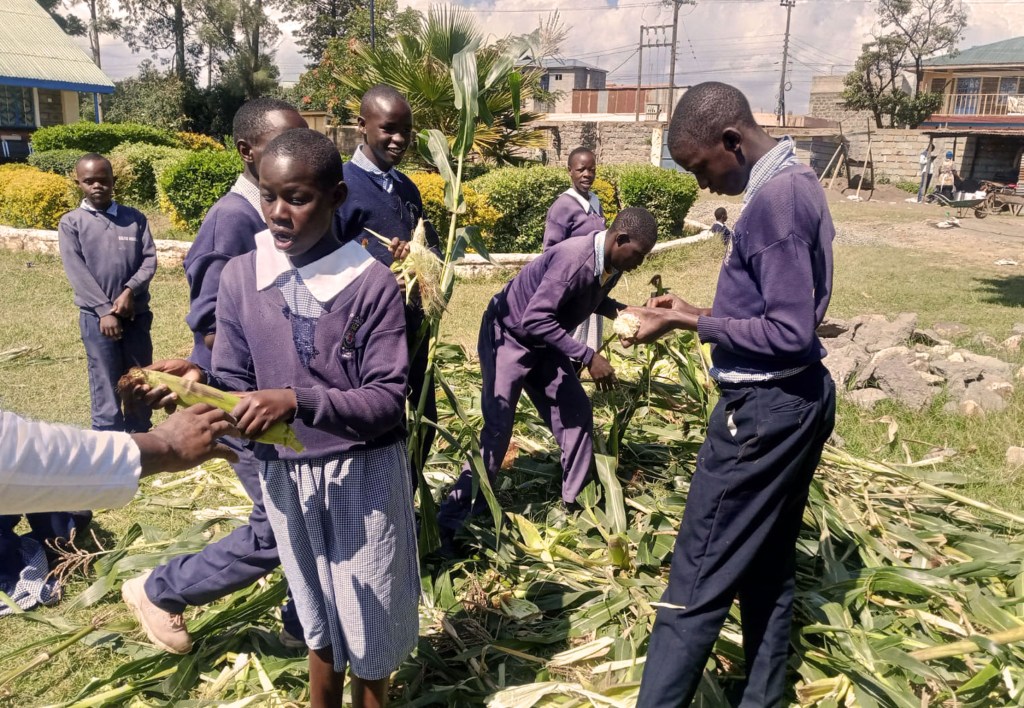
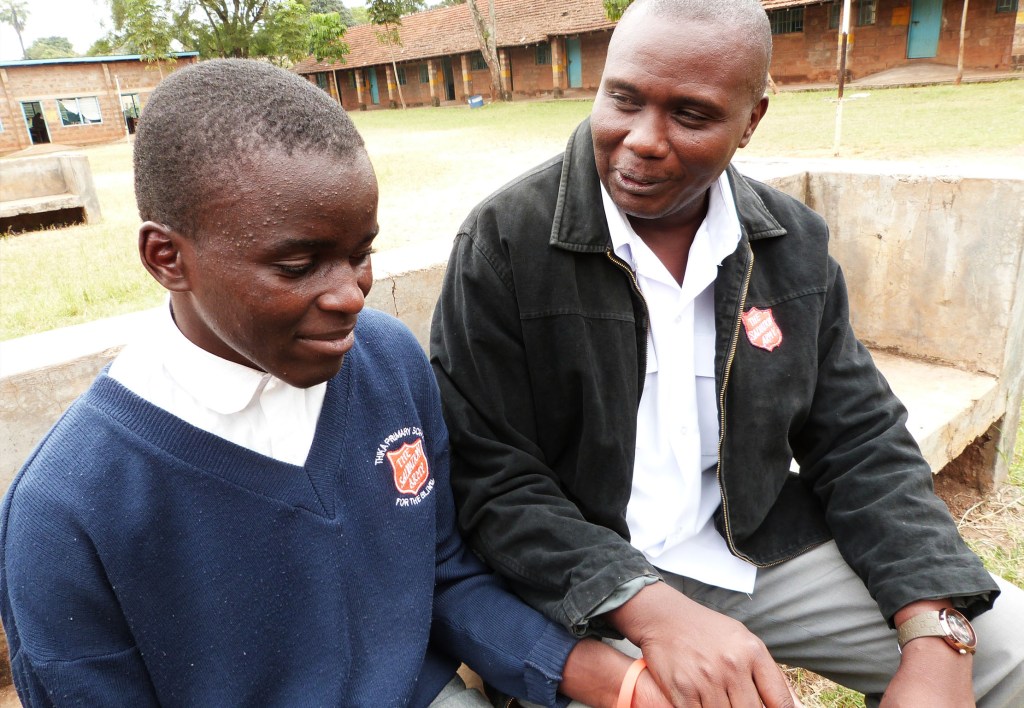
Educational needs being met across different countries in African
How have Liberia’s difficult periods shaped the kind of education leader you are today?
They have taught me that leadership is tested most clearly when circumstances are uncertain.
Working through periods of national recovery and public-health emergencies taught me the importance of resilience, adaptability, compassion and communication. There are moments when the plans you have made are no longer workable and you must find another way to ensure children continue learning and staff continue receiving support.
Those experiences also taught me that leadership is not about having all the answers. It is about listening, bringing people together, making difficult decisions when necessary and remaining focused on the people affected by those decisions.
Most importantly, they taught me never to take education for granted.
What are the greatest challenges facing schools and young people in Liberia, and where do you see the greatest opportunities?
Some of our most significant challenges include unequal access to quality education, inadequate resources, limited teacher development, poor school infrastructure, limited access to technology, and persistent inequities affecting vulnerable children in underserved and under-resourced communities.
Beyond these systemic challenges, many young people also face drug abuse, vulnerability to exploitation and other forms of abuse due to limited economic opportunities.
At the same time, I see tremendous opportunity. Liberia has a young population with enormous energy, creativity and ambition, and technology is creating new possibilities for learning. There is also growing recognition that education must prepare young people not only to pass examinations, but to think critically, solve problems, become economically productive and contribute meaningfully to their communities.
Our national challenge is to translate that potential into equitable opportunities, particularly for young people who have historically been underserved. I hope to contribute more significantly to national conversation about improving our education system after my fellowship.
What would you like the next generation of Salvation Army schools in Liberia to look like?
My vision is for the next generation of Salvation Army schools in Liberia to be a more sustainable, resilient and progressive school system, recognised as a leading provider of quality education and distinguished by an enduring legacy of academic excellence and moral discipline.
Ultimately, I want our schools to be safe, inclusive and technology-enabled learning environments. This will enable school to develop well-rounded young people who are equipped for life, grounded in strong values, committed to serving others and prepared to contribute meaningfully to Liberia and the world as a whole.
This will require investing in our teachers, strengthening school leadership, improving our learning facilities, embracing technology, and creating safe and inclusive environments where every child has the opportunity to thrive.
Technology and infrastructure matter greatly, but education ultimately depends on people: teachers who remain committed, parents who support learning, leaders who adapt and communities that recognise the value of educating their children.
Why did you decide that schools needed to be part of the response to trafficking?
Prevention must begin before exploitation occurs. Schools are the best places where we have sustained contact with children and young people who are among the most vulnerable to trafficking. That gives educators an important opportunity to help them recognise risks, understand their rights and know where to seek help.
Trafficking is not only a law-enforcement issue. It is also an education and development issue. If we can provide young people with knowledge, confidence and opportunities before someone attempts to exploit their vulnerability, education becomes an important part of prevention.
Engaging students, teachers and parents in awareness-raising initiatives against exploitation creates a multiplier effect, extending prevention messages beyond the school environment into families and wider communities.
It is also a cost-effective and sustainable approach to human trafficking prevention, as it uses existing education and community structures to broaden the reach and reinforce the impact of prevention efforts.
What does that look like in practice? What should a young person understand about exploitation, trafficking and their rights?
I want young people to understand that exploitation can take different forms and that promises which appear to offer opportunity can sometimes expose them to danger.
They should be equipped with an understanding of their rights, the ability to recognise potential risks, the confidence to know that exploitation is never their fault and the knowledge of where to seek trusted help and protection.
But awareness should also produce agency. I want young people to leave our schools believing that their lives have value, that they have choices and that they can protect themselves while also looking out for their friends and communities.
What have you learned about the factors that can make young people vulnerable to exploitation?
One of the strongest lessons for me is that vulnerability rarely has a single cause. Human trafficking is often driven by a combination of interconnected push and pull factors that increase vulnerability to exploitation.
Push factors such as poverty, conflict, unemployment, family instability, and limited educational and economic opportunities can increase a person’s vulnerability to trafficking. Pull factors, including perceived opportunities for employment, education, income, or a better future, may draw individuals toward situations in which they can be exploited.
A young person may therefore take significant risks not because they are unaware of the dangers, but because the alternatives available at home offer little hope for a safe and secure future.
This means our response cannot focus solely on telling young people what not to do. Prevention must also involve expanding their choices, strengthening protection systems and creating credible pathways to education, skills and livelihoods.
Do you see education itself as a form of prevention?
Absolutely. For me, education is one of the most powerful long-term forms of prevention.
Education gives people more than knowledge. At its best, it gives them confidence, critical-thinking skills, greater economic possibilities and the ability to make informed choices.
Education alone cannot eliminate exploitation, but when it is combined with effective protection systems, community awareness and meaningful economic opportunities, it can significantly reduce vulnerability.
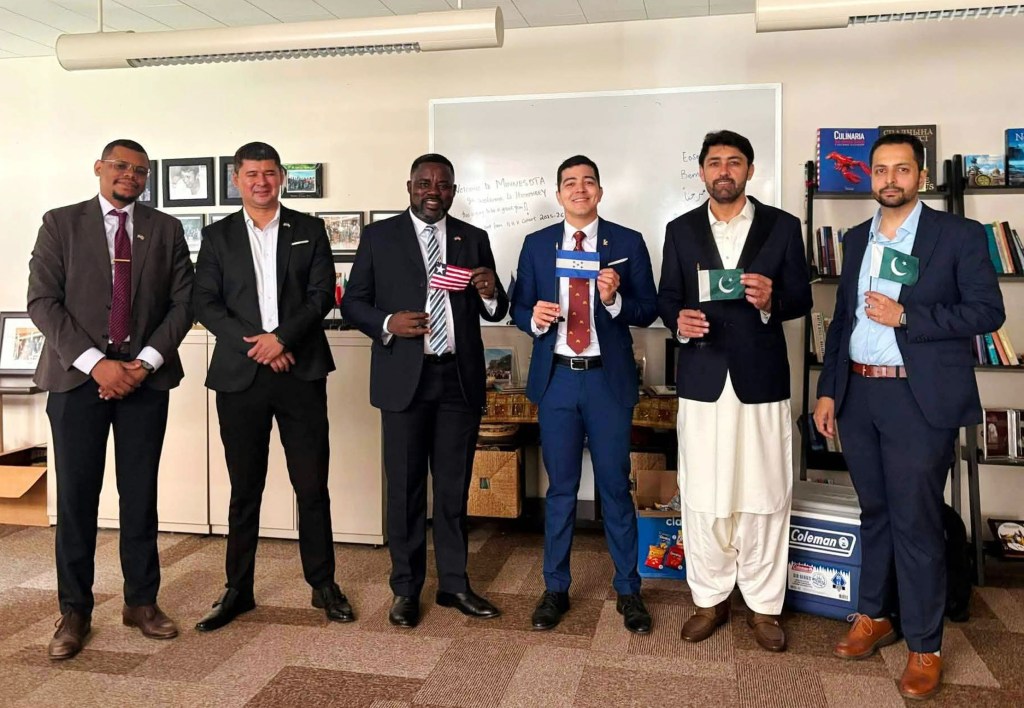
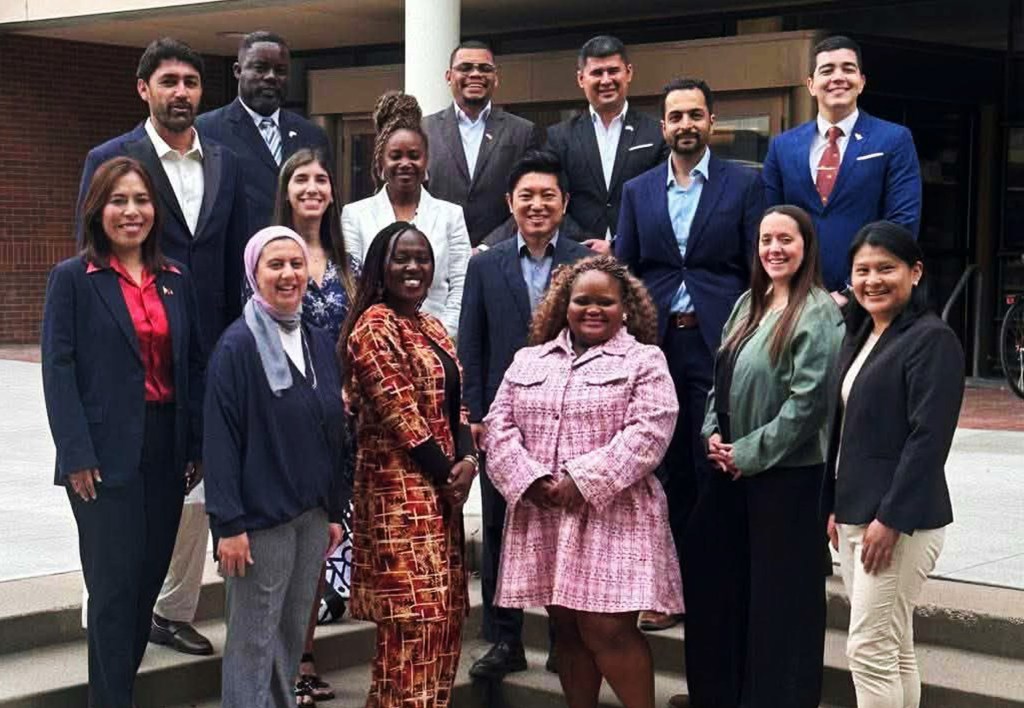
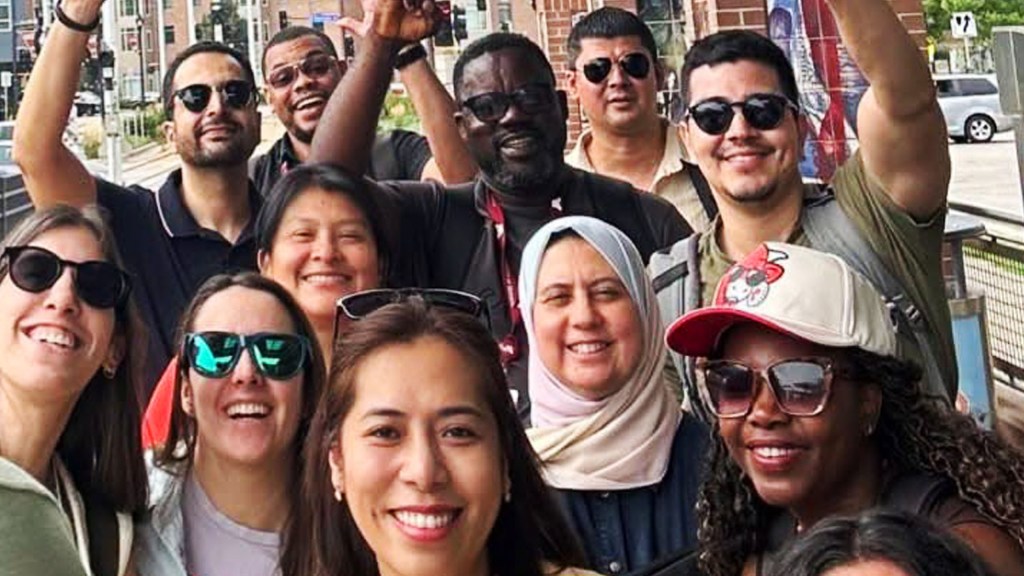
David with his colleagues in the US
What are you discovering from learning alongside professionals from so many different countries?
One of the most enriching aspects of my fellowship experience is discovering how different our contexts are while recognising how many challenges we share.
Whether we are discussing education, governance, development, public policy or social protection, I am learning that no country has all the answers.
Conversations with colleagues from different cultures challenge me to reconsider assumptions I have developed through my own experience. Sometimes an idea from another sector or another country causes me to think differently about a challenge in Liberia. That cross-pollination of ideas is one of the great strengths of the fellowship.
What knowledge and experience from Liberia are you bringing to your fellow participants?
I bring more than two decades of experience working within Liberia’s education system, where I have learned that resilience means adapting, innovating and achieving meaningful results even when resources are limited.
My experience connects education with child safeguarding, community engagement and the prevention of modern slavery and human trafficking. It has also shown me the importance of working in collaboration with communities, not simply for them. Most importantly, it has shown me the value of recognising education as both a pathway to opportunity and a protective environment for children.
In addition, I bring regional and continental experience through my work with organisations including The Salvation Army Africa Zone Education Circles, the Africa Zonal Modern Slavery and Human Trafficking Council and regional examinations governance with the West African Examinations Council (WAEC).
Therefore, I bring practical lessons in leadership, resilience, community ownership and making effective use of limited resources. I come to this exchange ready to learn from others but also confident that I in my professional capacity and as a Liberian have valuable experiences to share.
Are there lessons from Liberia that education leaders in wealthier countries could learn?
Yes. One important lesson is that innovation does not always begin with abundance; sometimes it begins with necessity.
When resources are limited or normal systems are disrupted, educators learn to adapt, improvise and rely strongly on community relationships. Liberia’s experiences have reinforced for me the importance of resilience and human connection.
Technology and infrastructure matter greatly, but education ultimately depends on people: teachers who remain committed, parents who support learning, leaders who adapt and communities that recognise the value of educating their children.
That lesson applies everywhere.
Has anything about life or education in the United States surprised you so far?
One thing that has impressed me is the scale of resources and opportunities available within higher education and the connections between universities, research, public policy, technology and professional development.
At the same time, being here has reminded me that greater resources do not mean that every challenge disappears. Every society has questions about access, equity, opportunity and how education responds to change.
It has encouraged me to think less in terms of copying one system and more about identifying ideas that can be adapted intelligently to Liberia’s particular context.
When you return to Liberia, what would you like to do differently because of this year?
I want to return as a more reflective, strategic and collaborative leader. I hope to apply what I learn to strengthening educational leadership, teacher development, safeguarding, technology integration and the relationship between education and young people’s future opportunities.
I also want to create more opportunities for other educators and leaders to benefit from what I have learned. The true value of this fellowship will not be measured by what I personally know at the end of the year, but by what I am able to transfer, adapt and multiply when I return home.
I will therefore use my learning and network to contribute positively to the improvement of education and anti-human trafficking initiatives in Liberia and beyond through The Salvation Army as well as in other roles.
How might what you learn be shared across Salvation Army education in Africa?
This is particularly important to me because I wish to see the potential impact of my fellowship years extending beyond my territory.
Through my leadership responsibilities and professional networks, including the Africa Education Cluster, the Africa Zonal Council for Modern Slavery and Human Trafficking Response, and the international Education Working Group, I hope to share the knowledge and good practice gained through this experience across The Salvation Army.
This could contribute to capacity building, leadership development, professional exchange, workshops, policy dialogue, and the development of practical resources that strengthen our education and safeguarding ministries and support our international response to modern slavery and human trafficking.
At the same time, I hope to strengthen peer learning and collaboration among Salvation Army educators across Africa. The continent holds significant professional knowledge, experience and locally developed good practice.
Creating stronger platforms for educators to learn from one another would ensure that knowledge does not flow in only one direction, but that African experience contributes to our wider international learning and practice.
This would help us develop responses that are contextually appropriate, locally owned and grounded in the realities of the children, families and communities we serve.

School children in Liberia
What gives you the greatest hope when you look at the next generation in Liberia?
Their determination gives me hope. I have met young people who have faced circumstances that could easily have discouraged them, yet they continue to dream, learn and pursue a better future.
I see young Liberians who are creative, technologically curious, entrepreneurial and increasingly willing to question old ways of doing things.
That is what continues to give me hope.

David at a local corps in the US
What difference does your faith make to your learning experience?
My faith as a Salvationist gives purpose to my Humphrey Fellowship by reminding me that learning is part of a calling, not merely an academic pursuit, but preparation for service to vulnerable people and communities. It shapes my posture in the program, helping me to approach every discussion with humility, discipline and resilience, especially when navigating cultural differences or academic pressure. It influences my daily practice, guiding me to show empathy, integrity and respect in how I collaborate with colleagues from around the world. It also enriches my perspective, helping me to see people not only as professionals but as human beings who deserve dignity, compassion and understanding.
In essence, my faith deepens my learning, steadies me through challenges and strengthens my commitment to servant-leadership throughout the Humphrey Fellowship experience. It keeps me grounded in the belief that learning is not for personal elevation but for kingdom-minded impact and the strengthening of the systems I steward back home. In all I do, I am guided by Colossians 3:23: ‘Whatever you do, work at it with all your heart, as working for the Lord.’
At the end of your year in Minnesota, what would make you able to say, ‘This experience changed something for me’?
I will be able to say this experience changed something for me if I return to Liberia not simply with more knowledge, but with a broader perspective, stronger leadership capacity, meaningful international relationships and a clearer understanding of what is possible.
I want to return with evidence-informed approaches that can be adapted to our context and a renewed vision for how education can expand opportunity, strengthen protection and contribute to national development.
But more importantly, the true measure of this experience will be what happens after I return home. If something I learned in Minnesota helps a teacher become more effective; strengthens a school; informs better policy; protects a vulnerable young person or creates greater opportunity for the next generation, then I will know the experience made a difference.
And I do not want that change to stop with me. I want it to carry this on through the people I lead, the institutions I serve and the young people whose futures we are helping to shape.
If this fellowship enables me to return home better equipped to serve, lead and create opportunities for others, then I will be able to say with confidence: it did not simply change my year in Minnesota, it changed the impact I can make for years to come.
You must be logged in to post a comment.